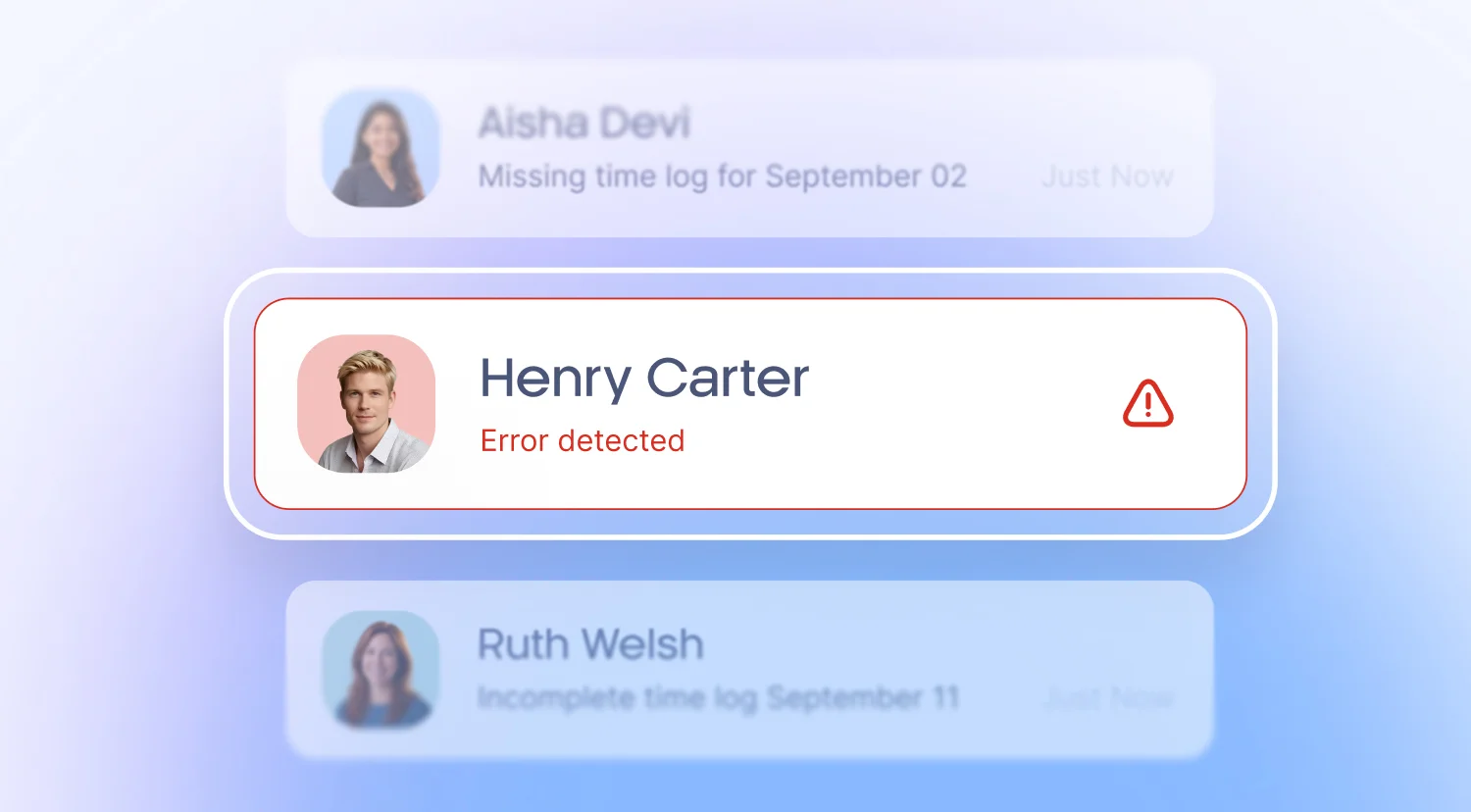


Picture a support worker whose participant’s NDIS plan has just been updated.
The worker hasn’t completed the required training (they weren’t alerted). Their manager doesn’t know (the record lives in a spreadsheet nobody checks). And their next shift is about to start (the perfect storm).
The real tragedy? This was entirely avoidable.
As participant needs become increasingly complex and multidisciplinary support becomes the norm, there’s a growing expectation that support workers maintain up-to-date skills, credentials, and of course, training.
At the same time, providers find themselves operating under tighter compliance requirements and higher scrutiny. In other words, what was previously considered “best practice” is now baseline.
Not an aspiration.
Where providers are feeling the strain
The challenge isn’t simply ensuring staff tick a box via training – as outlined earlier, it’s ensuring that the training is actually current, relevant to role and participant needs, properly documented, and can withstand NDIS scrutiny.
With turnover in the sector sitting between 17% and 25%, organisations are constantly onboarding new staff while trying to remain compliant (and keeping pace with the demands of their existing workforce). This creates an endless cycle of:
- Credential checks
- Refresher training
- Policy acknowledgements
- Compliance tracking
Naturally, every stage from credential management to rostering becomes noticeably more difficult when the workforce is constantly fluctuating. And each one carries risk if inadequately addressed.
Beyond admin: why training should be a priority
In disability & community support, the gap between “training required” and “training verified” isn’t simply an administrative problem – it’s a real operational and safety risk.
Participants with complex or high-intensity needs such as mobility conditions and epilepsy, for example, rely on experienced and competent teams for their safety, well-being, and general quality of care. Yet high churn and limited specialist pathways make this difficult to maintain.
When training lapses or records are incomplete, the consequences don’t stop at a failed audit, compliance notice, or reputational damage.
Workers who haven’t completed manual handling training can injure participants, and workers without current medication administration credentials shouldn’t be tasked with overseeing complex health needs, period.
These aren’t fringe cases, either. They’re the direct result of workforce management that cannot keep pace with its own legal obligations.
This is where modern workforce systems come in.
How Xemplo supports the support providers
Gone are the days of chasing spreadsheets, emails, and manual reminders.
Providers can now gain real-time visibility over who is compliant, who isn’t, and what needs to happen next in a consolidated platform (without adding admin overhead).
In practice, this changes how your compliance functions day-to-day:
Centralised credential tracking
No more sifting through the haystack of folders, inboxes, and filing cabinets when an auditor arrives. Every training record, certification, and compliance document lives in a single place – instantly accessible by the right people, when it matters.
Automated reminders & alerts
Credential renewals are intelligently flagged prior to lapses – not discovered after the fact during a roster check or worker incident review. Xemplo takes care of the chasing, so managers don’t have to.
Role-specific requirements
A community access worker and a specialist behaviour support practitioner don’t need the same training – and a one-size-fits-all approach is how processes fall through the cracks. Xemplo maps tailored training requirements to ensure workers are properly set up before their first shift. Nothing is missed when roles or responsibilities change.
Audit-ready records
When the NDIS Commission comes knocking, you won’t be scrambling. Structured, consistent records are automatically created and can be produced at a moment’s notice – turning what was once a high-stress exercise into business-as-usual.
From reactive to proactive workforce management
One of the most significant shifts in the disability & community support sector is the move from reactive compliance to proactive workforce planning.
Data coming out of workforce platforms is becoming particularly valuable, enabling organisational leaders to anticipate turnover trends, forecast vacancies, as well as understand where skill gaps could put both safety and compliance at risk.
For example, a provider who can see that multiple workers in a high-intensity support team are due for behaviour support refresher training in the same month (and cross-reference this against upcoming participant review) can effectively plan around it.
A provider who relies on spreadsheets and ad hoc knowledge, on the other hand, usually can’t. And tends to face the full brunt of the consequences once it’s too late.
Proactive workforce management essentially means you can:
- Identify required training before they become issues
- Plan development pathways for staff
- Align workforce capability with participant needs
Your entire operation’s control point lies in training
Training, particularly in the case of disability & community services / NDIS, is an overlooked retention pillar.
Workers who feel capable and confident in their role are far more likely to stay (especially in a sector where burnout and churn are ongoing challenges). Strong induction, ongoing coaching, career development, along with meaningful supervision all factor into keeping support workers engaged.
Of course, recognising the importance of training is as vital as administering it efficiently: only by leveraging Xemplo to make training visible, structured, and easy to manage will providers truly stabilise their workforce.
It only goes to further illustrate how, in the 21st century, workforce technology is no longer a nice-to-have – it’s among the few levers providers can pull to run a safer, more compliant, and more predictable operation.
The providers who get this right won’t just pass audits. They’ll operate with more control, fewer incidents, and a workforce that’s actually equipped to meet participant needs.