

Compliance training is a crucial part of ensuring a safe, productive, and legally compliant workplace. However, designing an effective program can be challenging. By focusing on the essentials, leveraging expert resources, maintaining accurate records, and ensuring timely participation, you can create a compliance training program that truly works. Below, we explore these key components in detail.
Get clear about purpose
A compliance training program has a specific purpose – to ensure that everyone in the workforce understands their role in maintaining a safe and legally compliant workplace.
Your compliance training program should focus on delivering the essential knowledge required for your team to fully understand their obligations and what they need to do. One of the biggest mistakes businesses can make with their compliance training program is overcomplicating it.
Avoid the temptation to overload your team with too many additional activities that, while valuable, don’t directly relate to your compliance training program’s purpose. Your program also doesn’t need to cover every conceivable compliance topic in exhaustive detail. Instead, focus on the essentials – the fundamental aspects that ensure your workplace remains compliant and safe. By keeping the content concise and targeted, your team are more likely to engage with and retain the information.
Topics outside the scope of compliance, such as broader professional development, should be addressed through separate development programs with their own goals and purposes. This ensures compliance training remains streamlined and effective.
Use expert, relevant resources... and keep them up to date
Compliance requirements often evolve due to changes in laws, regulations, and industry standards. You also need to consider technologies available for delivering training content to maximise engagement and ensure retention of acquired knowledge.
To keep your compliance training program relevant, you should use resources developed or reviewed by experts in the field. Partner with legal consultants, regulatory bodies, or specialised training providers to ensure your compliance training program content reflects the latest requirements and training techniques.
In Australia, you can get free online training resources to support your compliance training program from organisations like the Fair Work Commission (FWC) If you’re a Xemplo customer, you can also access our library of free compliance training courses covering key topics like Workplace Health and Safety and Manual Handling.
The Xemplo library includes content developed by third-party experts, including the FWC, and courses developed using the latest guidelines from agencies like Safe Work Australia. Xemplo also partners with e-Learning expert Kineo to provide premium (paid) compliance courses for specific industries and roles. You can find a full list of all free and premium courses available in Xemplo here.
Additionally, invest in regularly updating your training materials. Outdated information not only reduces the effectiveness of your training but also exposes your business to potential legal and safety risks. By using high-quality, expert-backed resources, you can build a program that instils confidence and trust across your whole team. If you’re using Xemplo or Kineo courses, these are updated for relevancy and accuracy whenever compliance requirements change.
Track training activity & record everything
An effective compliance training isn’t just about content; it’s about delivering your program content to everyone in your team when they need it. Everyone in your workforce should complete the relevant activities from your compliance training program based on their role in your business or any tasks they undertake that require additional compliance training (for example, working on a specific site or task). Maintaining accurate records of who has and hasn’t completed training is essential for identifying gaps and ensuring accountability.
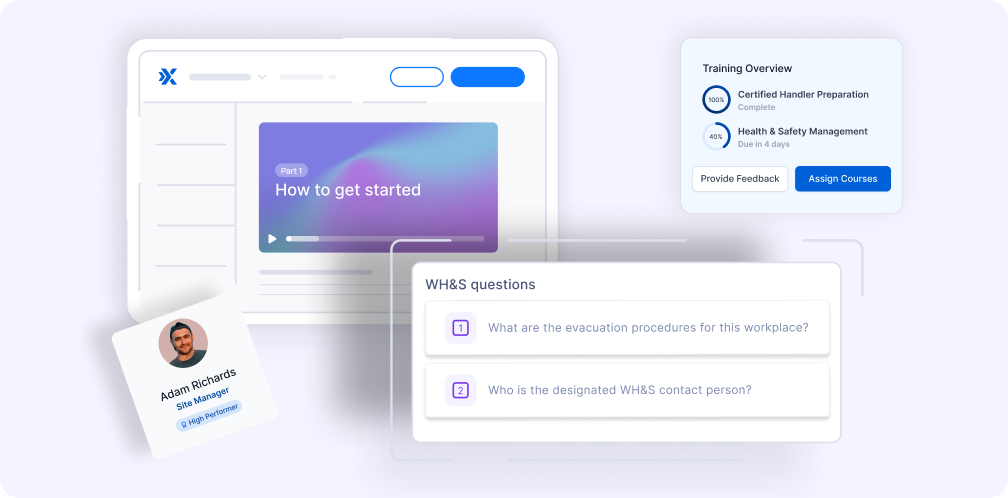
Use a robust learning management system (LMS) or other tracking tools to monitor training activity. These systems can provide detailed insights into employee progress, send automated reminders for overdue training, and generate reports for audits or compliance reviews. You should also be able to analyse worker outcomes to understand whether training is effective, or potentially too difficult to complete, so you can tweak your content to ensure maximum engagement.
Proactive tracking not only keeps your program on track but also demonstrates your business’s commitment to compliance, both to your team and any external stakeholders who may need to understand steps you’ve taken to ensure worker safety (like the FWC).
Xemplo customers can use Xemplo’s training features to create or import course content, assign compliance training activities automatically by role, send automated reminders for training activity and track all worker activity until completion. Xemplo also provides training progress and outcomes reports, and transcripts for workers.
Train, train, & train again
Different events in the worker lifecycle can prompt the need for compliance training – for example, starting with the business, transferring to a new role, changing responsibilities or tasks, or length of tenure.
Timeliness is critical when it comes to compliance training. Asking your team to complete compliance training at the right time is critical to increasing awareness of compliance obligations and reducing business risk. New starters should complete necessary compliance training as part of their onboarding process. This ensures they have a clear understanding of your policies and expectations from day one.
Likewise, when a worker changes role or responsibilities, you should conduct additional compliance or refresher training activities to let them know of any changed compliance requirements or remind them of their continuing obligations. Periodic refresher training is equally important. Over time, your team may forget key aspects of their initial training, or compliance requirements may change. By scheduling regular periodic retraining, you ensure your team’s knowledge remains up-to-date and aligned with current requirements. Consider implementing annual or biannual training cycles to reinforce compliance and address emerging issues.
With Xemplo Onboarding, new starters complete all required training for their new role either during the Onboarding process or after they start work, depending on your requirements. You can also automatically assign new courses when a worker changes role, or schedule retraining for all or selected team members at scheduled intervals or when content changes.
Get up to date training materials
When compliance training is done right, it not only meets legal obligations but also empowers employees to contribute to a safe and productive work environment. Focusing on the right content, getting help from experts and using the right tools can help you to deliver an effective compliance training program with less effort from your HR team.
Remember: Xemplo regularly adds free training content for Xemplo customers to use as part of their subscription. Xemplo customers will receive updates about new courses in the Xemplo software. If you’re not using Xemplo, please subscribe to our mailing updates for regular updates and check back here regularly for more best practice training tips.

_%20A%20Guide%20for%20Australian%20Employers.webp)
.webp)