
A quick courtesy check-in with my fellow payrollers: what did your week look like?
Were you chasing payroll inputs, collected and collated from multiple sources that arrived in just as many formats?
Were you checking individual payroll input line items one by one for completeness, correctness, and compliance?
Did you have to speak with data originators about their input and fix flawed data, or perhaps you were too preoccupied with keying and rekeying data?
If any of this sounds familiar, you’ve clearly been doing the hard yards, and I regret to inform you that you’ve let yourself become a payroll “doer.”
Wouldn’t you rather become a payroll “controller”?
The latter still owns the complete end-to-end payroll process. The difference is they have the time and visibility to focus on governance, oversight, and control (rather than being buried under data receipt and preparation).
And to be clear, moving away from compulsive firefighting isn’t a licence to take your hands off the wheel, either. It’s simply that, as a controller, the right measure of proactivity means you always know when:
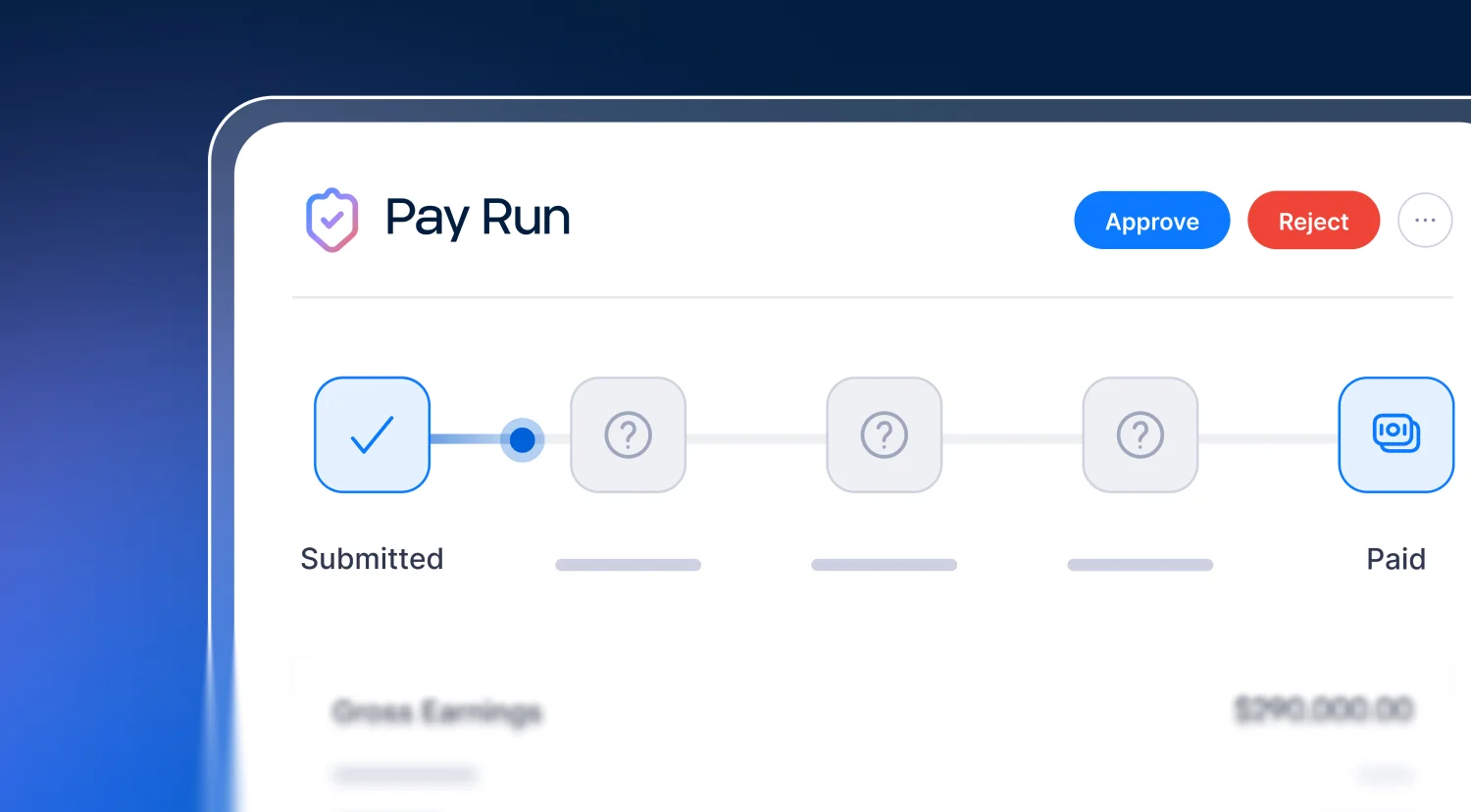
- Payroll is ready for submission
- Approval is required
- Corrections or adjustments need to be made
Payrollers, it may be time to reevaluate your procedures, workflows, and tools – to be less passive and clarify what, when, as well as how your organisation’s payroll data should be provided.
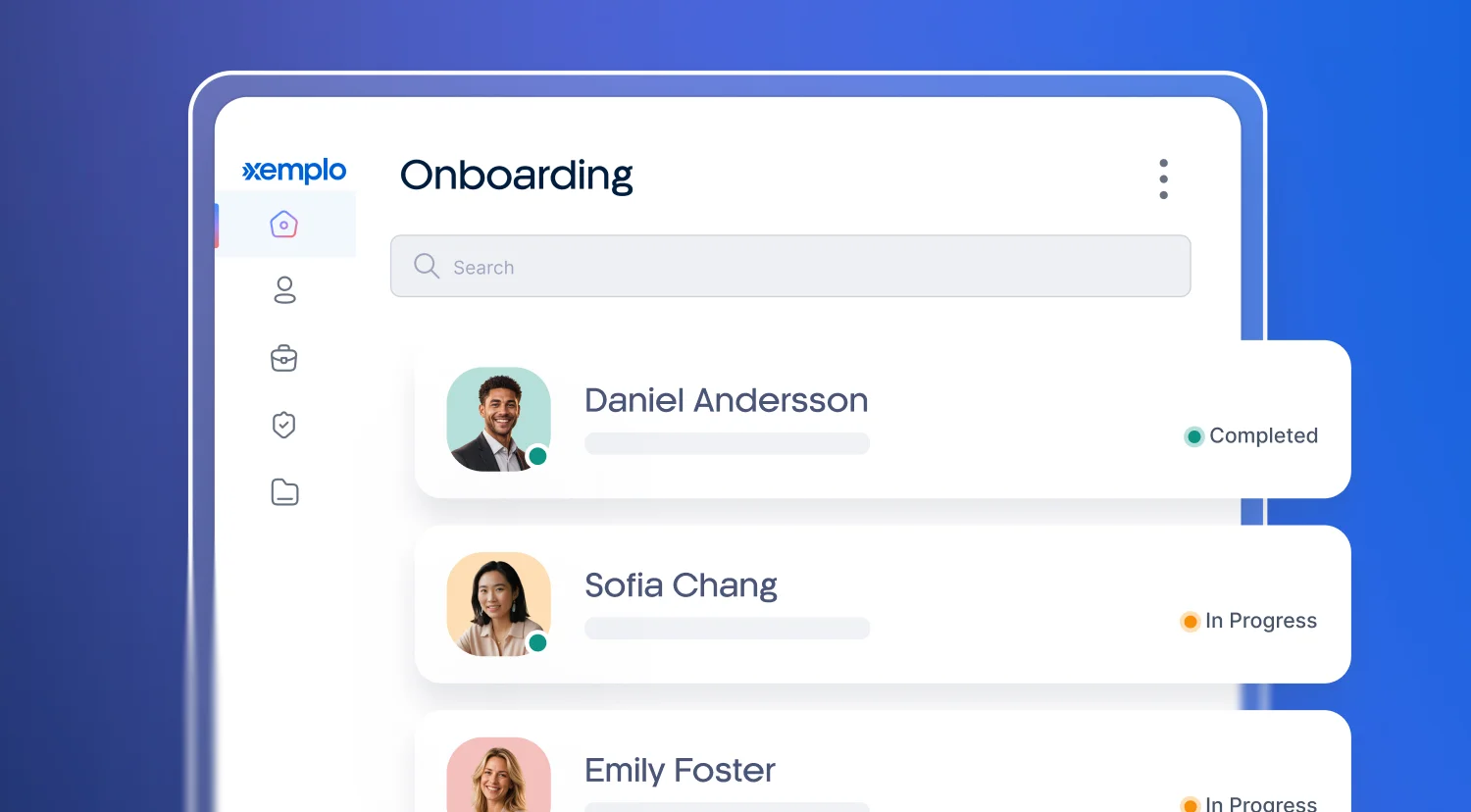
Time to close the gap between upstream HR and the payroll department. Smartening the flow of onboarding and leavers would be a huge step forward.
For some organisations, this may mean improving the systems and controls that sit around payroll.
For others, it’ll mean stepping back and asking whether the current payroll model is still fit for purpose. The right payroll partner should bring the delivery model, processes, and technology needed to bridge that HR gap and support accurate, compliant payroll.
Such a dynamic, complete with purpose-built integrated technology like Xemplo, would effectively give you everything you need to maintain visibility and control of your payroll – and it’ll likely address the pain you’re currently experiencing in receiving and preparing payroll-related data.
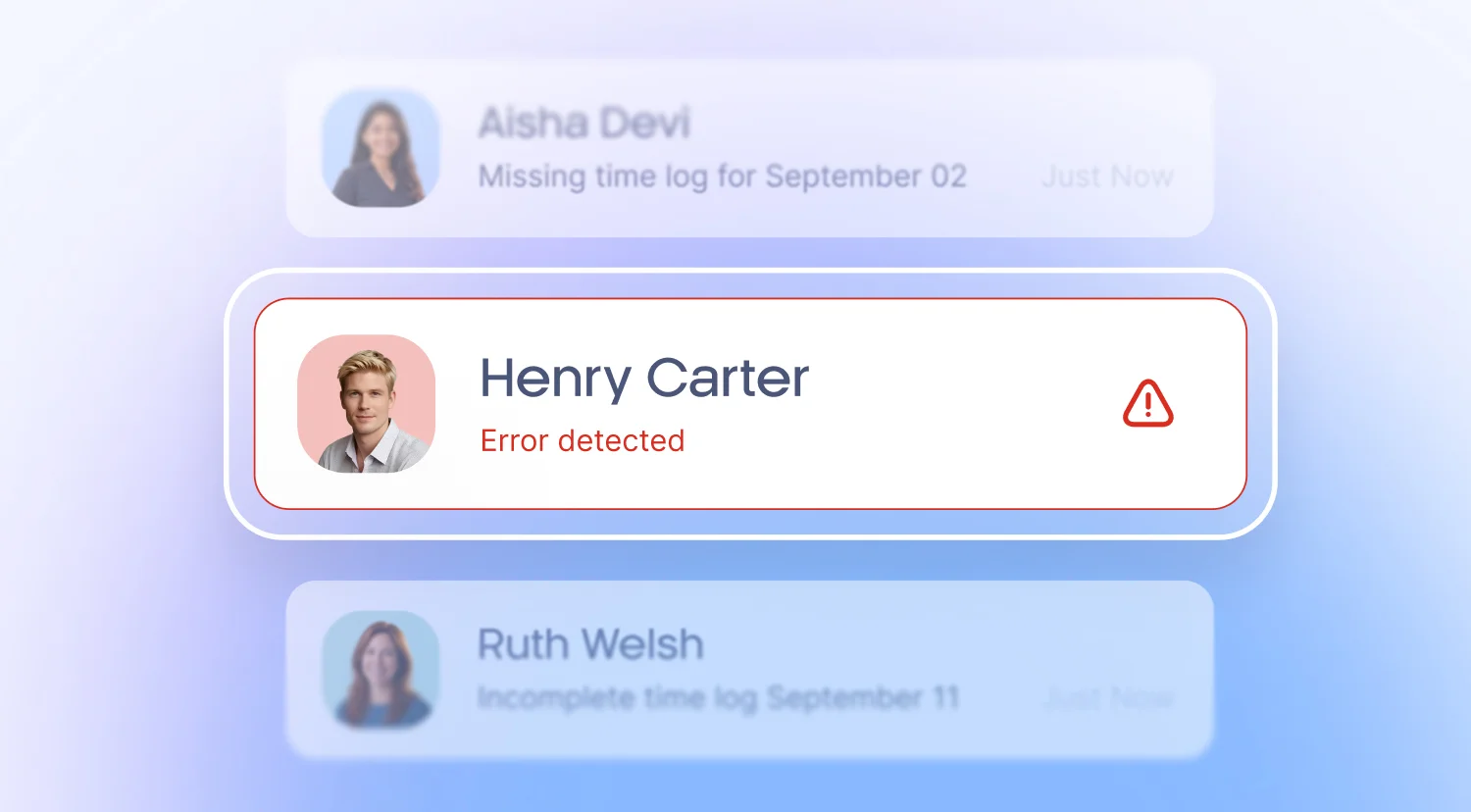
Imagine presenting your business with a payroll process that flags issues earlier, highlights unusual trends, and helps identify risks before they become costly problems; a payroll that delivers to employee expectations, avoids serious under/over payments, and resultant dissatisfaction (free from fines, penalties, and adverse publicity).
A payroll that no longer views being “done on time” as some major victory – because the goal posts have shifted. The real aim is payroll that runs silently, accurately, and with the right controls in place.
Now wouldn’t that be a better way to spend your week?
Payroll has always been business-critical. This year, it becomes structurally unforgiving.
Between legislation changes and the continued uplift in both minimum wages and award rates, the margin for error is shrinking – fast. You need to know:
- Why “delay & correction” payroll models won’t survive Payday Super (effectively 1 July)
- Where payroll risk really originates
- What a healthy managed payroll model looks like in practice
If you want to understand what Payday Super means for your organisation, payroll process, and revised obligations as payrollers, be sure to explore our 2026 payroll guide. For other payroll-related enquiries, get in contact with Xemplo – we’re always happy to chat.