
Onboarding issues tend to start with a perfectly reasonable idea: create a single process everyone can follow.
On paper, that sounds efficient – every new starter received the same forms, policies, checklist, and even the same reminders. HR knows what to send. Managers know what to expect. Nothing gets missed… Right?
Except that’s no longer how modern workforces operate.
A full-time finance manager, a casual security guard, a disability support worker, and a short-term contractor cannot have the same onboarding experience. Each role requires different contracts, checks, policies, credentials, locations, award conditions, client requirements, and yes, carries different risks.
So when every worker is pushed through the same onboarding process, one of two things usually happens: people get buried in tasks they don’t need, while others miss steps they absolutely do need.
That’s where role-based onboarding workflows make a real difference. Instead of asking HR to manually tailor every checklist, the onboarding process is adjusted based on the person’s role, employment type, location, or compliance requirements.
For businesses managing mixed or high-volume workforces, it can remove much of the unnecessary operational drag.
The complexity of the modern workforce
Many mid-market businesses are no longer hiring a singular type of worker.
They might be onboarding permanent office staff, casual shift workers, frontline care workers, contractors, supervisors, site-based employees and temporary placements (sometimes all at the same time).
This creates a level of onboarding complexity that static checklists were never really designed to handle.
An office-based employee may need a standard employment contract, payroll setup, IT policy acknowledgement, and a few internal introductions.
A casual worker may need modified written terms, casual employment information, availability details, uniform orders, and fast mobile onboarding so they can be rostered and deployed ASAP.
A disability support worker may need NDIS screening, police checks, Working with Children Check details, relevant qualifications, role-specific induction, and ongoing credential tracking.
A security guard, on the other hand, may need licence validation, site instructions, right to work checks, client-specific training, as well as present evidence that all compliance requirements are complete before they attend a shift.
These distinctions matter.
In Australia, employers must give every new employee the Fair Work Information Statement, and casual employees must also receive the Casual Employment Information Statement. Fixed-term employees also have additional information statement requirements.
That’s just one example of how employment type can change what needs to be included in the onboarding process. The problem, you see, isn’t that HR teams don’t know these requirements exist. Most do. The problem lies in managing every possible variation manually.
The danger of blanket onboarding processes
Blanket onboarding is usually built with good intentions. They’re designed to establish a modicum of consistency and reduce the risk of missing something important. When the workforce is varied, however, “consistent” can quickly become “clunky.”
Over-indexing on compliance (drowning employees in paperwork)
One prevalent concern in this realm of employment involves complicating simple or short-term roles with excessive onboarding.
This usually happens when a business creates a checklist for its most complex role, then applies it to everyone, assuming the benefits will trickle down or transfer.
A casual worker only needed for a quick assignment might be asked to complete pages of irrelevant policies. A contractor might be sent employee documents that don’t apply to them. A low-risk office worker may need to follow the same compliance-heavy workflow as a frontline worker in a regulated environment.
Face it: this slows people down.
It also creates a poor first impression. The candidate has accepted the role, but now they’re staring down a lengthy to-do list that just doesn’t feel relevant to the job they’re about to do.
That’s often when momentum is lost.
People delay the process. They miss steps. They ask questions HR has already answered ten times. Or worse – they stop responding altogether because the process feels harder than the role is actually worth.
For high-volume employers, even minor drop-offs can become painful. If you’re onboarding large numbers of casuals, contractors, or shift workers, an overloaded workflow can quickly turn into a backlog.
The compliance gap (missing critical requirements)
The opposite problem to over-complicating compliance is even more dire. Because when it comes to regulated roles, a standard onboarding checklist may be too light.
A frontline disability support worker, for example, may need specific screening, clearances, credentials, and training before they can start. If they’re pushed through the same onboarding path as a low-risk role, it’s much easier for something important to be overlooked.
In security, a worker may be required to hold a current licence before attending a site. In healthcare or community care, the business may need evidence of checks, qualifications, or immunisation-related obligations (depending on the role and setting). For visa holders, organisations can use VEVO to check visa details and conditions – including work rights and visa expiry information.
The risk here isn’t just a messy file. It’s someone starting before the business has ticked off every regulatory box.
That creates pressure for HR, operations, and managers; as well as friction between the business and clients, auditors, or regulators if you cannot demonstrate that the correct onboarding process was followed.
The administrative burden on HR
The third major problem is all that manual work sitting behind the scenes. When onboarding isn’t role-based, HR become the de facto filter.
They effectively decide which:
- Contract template to use
- Policy applies
- Checks are needed
- Manager should approve
- Email to send
- PDF to attach
- Spreadsheet to update
- Credential needs to be requested now (and which one can wait)
That might be manageable when hiring is slow, infrequent, or the team is relatively slow. Much harder when multiple roles are being onboarded at once.
This is where errors generally creep in – not because the team is careless, but because the process relies on too many manual decisions.
Someone uses the wrong template. A candidate is sent an irrelevant task. A mandatory check is forgotten. A manager is copied in too late. A worker record is updated in one place but not another.
By the time someone has even thought to ask, “Is this person ready to start?” HR may need to backtrack three or four steps just to answer properly.
How role-based onboarding workflows work
Role-based onboarding workflows remove that manual decision-making from the process. Instead of creating one checklist for everyone, the workflow is built around rules.
Those rules might be based on:
- Role or job title
- Employment type
- Location
- Business unit
- Award or agreement
- Client or site requirement
- Worker category
- Risk profile
Once the role is selected, the system should automatically build the appropriate onboarding path.
For example, if the worker is a casual support worker in Victoria, the workflow might request one set of documents, checks, and acknowledgements. If the worker is a permanent office employee in New South Wales, it might trigger a much simpler path.
This is where automated employee onboarding software becomes more useful than a static checklist.
The process doesn’t hinge upon HR remembering every variation. The workflow uses the data already known about the worker to trigger the right tasks, documents, checks, and reminders.
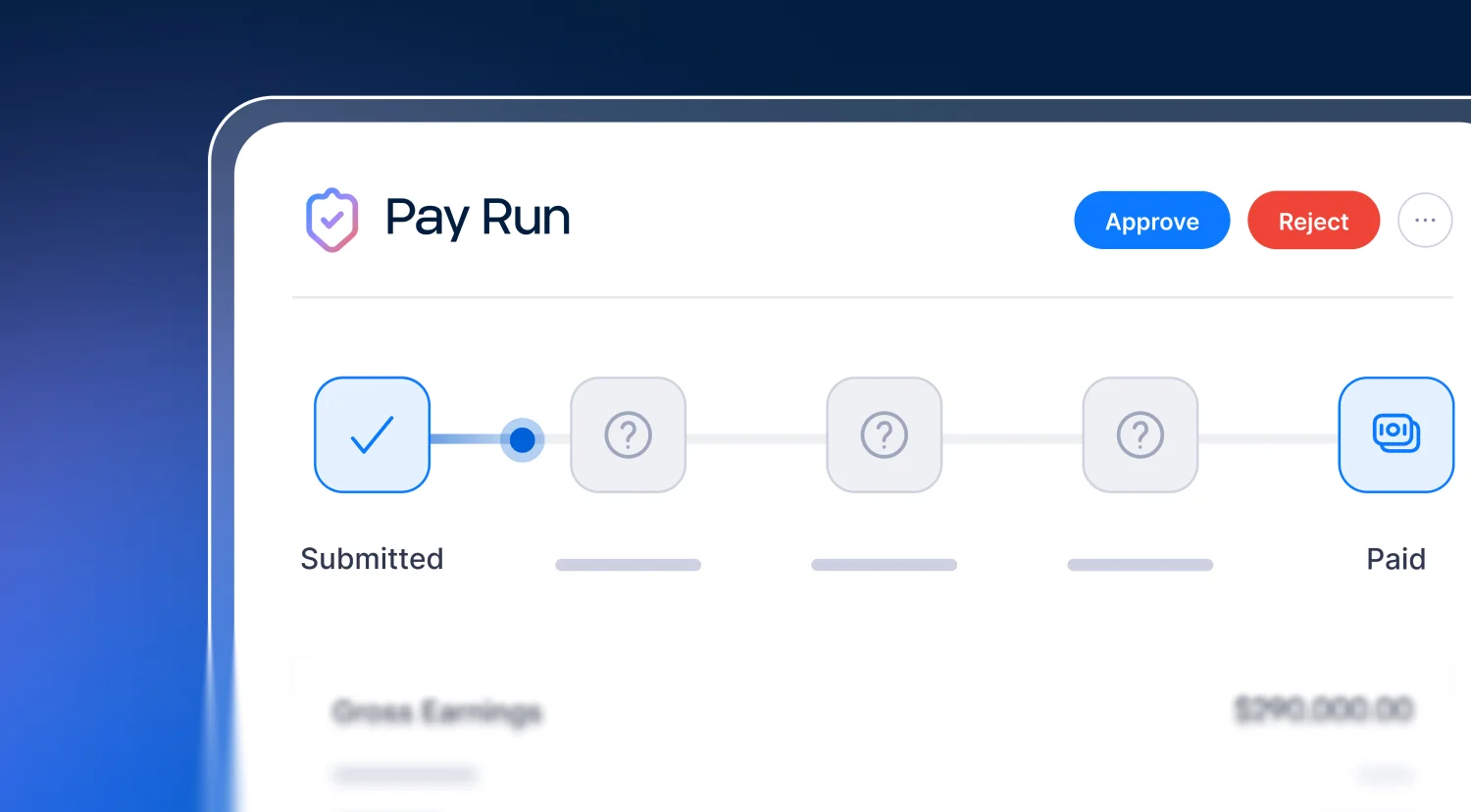
That means the worker only sees what’s relevant to their role, and HR/operations gain a clearer view of where each person is up to – without manually piecing together status updates from emails, spreadsheets, and separate systems.
What a role-tailored onboarding path can look like
The easiest way to understand role-based onboarding is to compare two very different workers.
The point is not that one worker is more important than another. The point is that they are different. And a good onboarding workflow needs to instantly recognise that difference.
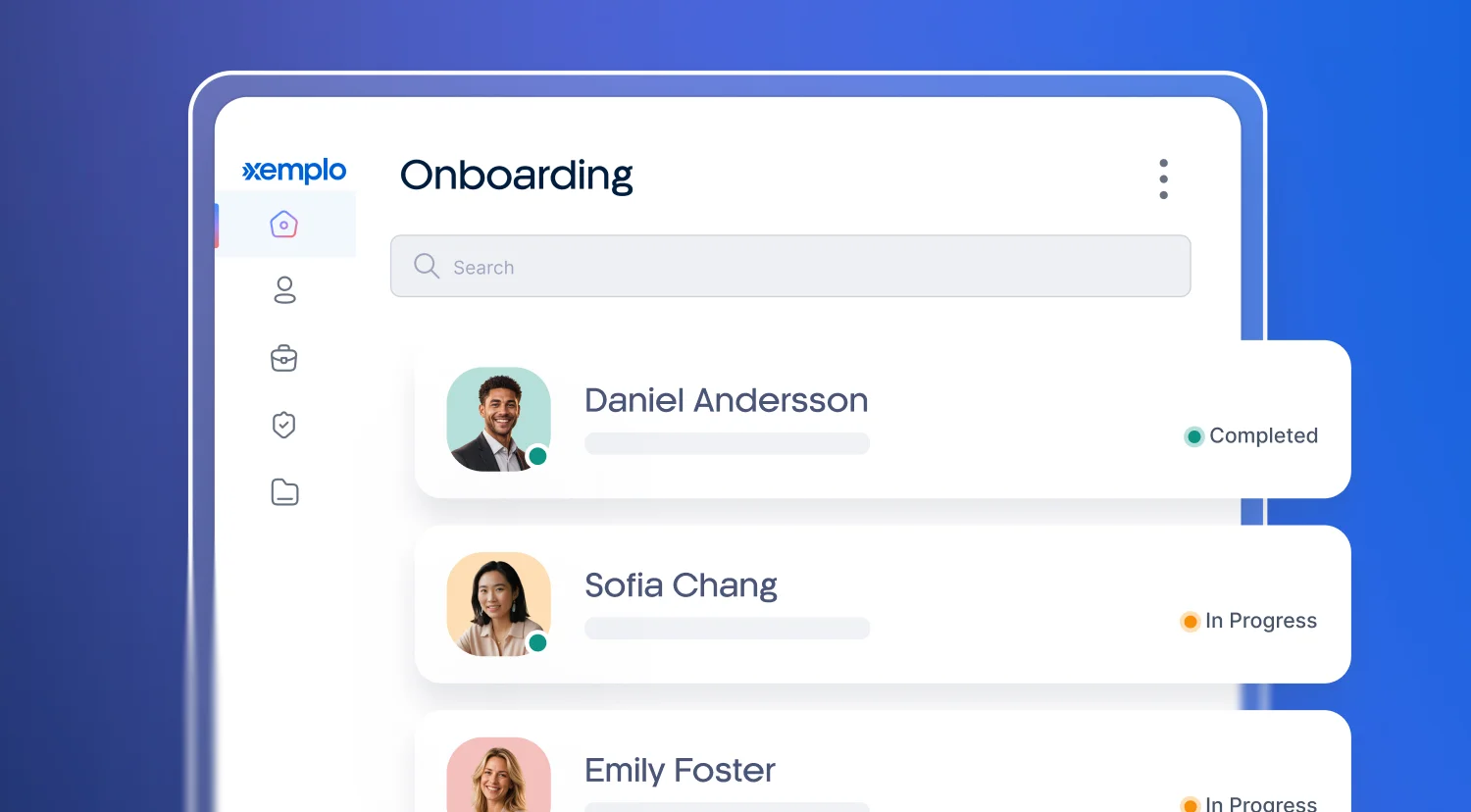
For the worker, that means a simpler experience. They open their mobile onboarding dashboard and see the tasks that apply to them – not an extensive, generic list built for everyone.
For HR, it means fewer manual checks and fewer one-off exceptions.
For managers, it means better visibility over who is actually ready to start.
Why this matters for casual and shift-based workers
Role-based onboarding is especially useful for casual, shift-based, and contingent workforces. These workers often need to move quickly from offer to active work. If the onboarding process is too slow or too heavy, they may disengage before they ever start.
Disengagement due to bureaucracy is common among industries like staffing, security, and healthcare, where timing matters.
A worker may be needed for a client assignment, a roster gap, a project, an event, or a site requirement. If onboarding takes too long, the business may miss the opportunity to deploy them when they’re needed.
A tailored onboarding checklist helps reduce that friction.
The worker receives the documents and tasks they actually need. HR can see what is outstanding. Managers are not left guessing whether someone is cleared for a shift.
Make no mistake – it doesn’t remove the need for compliance, it just makes the process easier to complete correctly.
Role-based compliance does not stop at onboarding
Beyond day one, workforce requirements have a habit of changing.
A casual worker may be promoted to a permanent role. A support worker may start working with a different client group. A security guard may move to a new site with different licence or induction requirements. An employee may be promoted into a role that needs new training or policy acknowledgement.
If compliance is managed manually, these details are easy to miss.
The worker was compliant with their original role, but the business may not have checked whether they are compliant with the new one. Role-based workflows essentially help close that gap by triggering new requirements when something changes.
That might include:
- New training after a promotion
- Updated policies for a different business unit
- Additional credentials for a new role
- Site-specific induction for a new location
- Licence or clearance tracking for regulated work
- Refresher training linked to a role requirement
This is where onboarding starts to connect with ongoing workforce compliance.
The aim isn’t just to get someone ready for day one. It’s to keep their worker record aligned with the work they’re actually accomplishing.
What to look for in role-based onboarding software
If you’re reviewing onboarding software, it’s worth gauging capabilities aside from whether it can send forms and collect signatures. The better question is whether it can withstand the chaotic reality of your workforce.
Look for software that supports the following:
Conditional workflow logic
You should be able to set rules based on role, location, employment type, award, client, or site requirement. The software should then automatically build the onboarding path.
Tailored onboarding checklists
Workers should only receive the tasks that apply to them. That keeps onboarding focused and reduces the chance of people ignoring the process because it feels irrelevant.
Mobile-friendly worker experience
Many frontline and casual workers will complete onboarding from their phone. The process should be simple, guided, and easy to complete without downloading PDFs or searching through email threads.
A unified compliance view
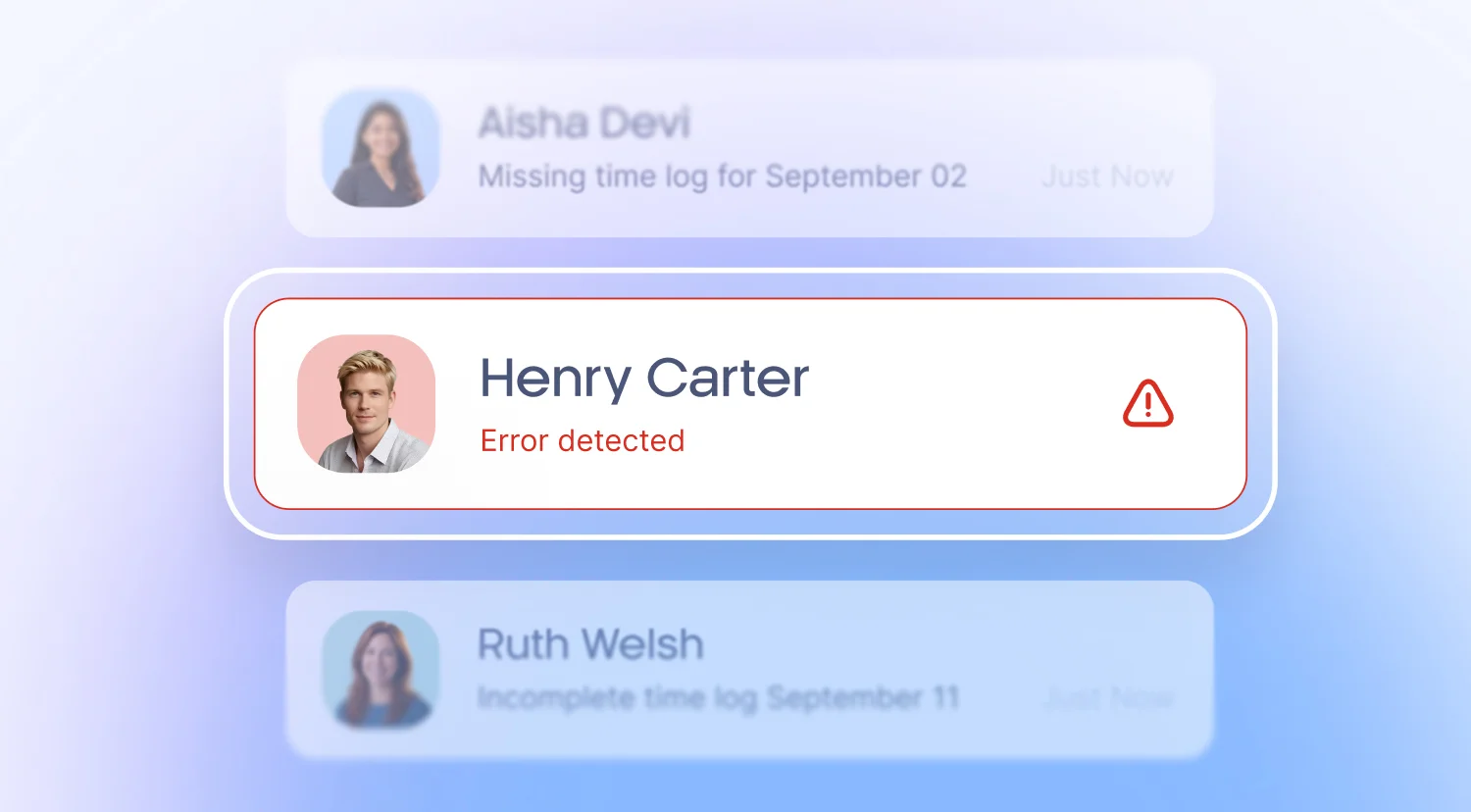
HR, operations, and managers should be able to see onboarding progress by worker, role, or workforce category. That makes it easier to spot bottlenecks before they become start-date issues.
Ongoing credential tracking
Role-based onboarding should connect with ongoing compliance tracking – especially for visas, licences, clearances, certifications, and training renewals.
Role-based onboarding to workforce readiness
Generic onboarding might feel easier to manage at first. One checklist. One process. One standard way of doing things. But as the workforce grows in complexity, that approach starts to break down.
Simple roles get overloaded. Regulated roles miss critical obligations. HR spends too much time tailoring the process manually. Managers struggle to see who is ready. Workers get frustrated by tasks that do not match the job.
Role-based onboarding workflows offer businesses a more practical way forward.
By matching onboarding to roles, employment type, location, and compliance requirements, each worker gets the right process from the start.
Xemplo helps businesses build role-based onboarding workflows that connect contracts, policies, work rights, background checks, credentials, training, and compliance tracking in one place. Get in contact with us today to find out how we can transform your workforce management efficiency tomorrow.