
Onboarding isn’t really finished once a worker signs a contract or submits a few forms.
That might be the end of the process from the worker’s perspective. For the business, however, there’s still a lot that needs to happen before that person is properly set up.
Payroll needs the right information. HR needs to know if the worker is ready. Managers want to know when the person can start. Finance wants confidence that the data feeding payroll is accurate.
This is where things can get messy.
A new starter may have completed onboarding, but their bank details, tax information, superannuation details, start date, employment type, or role information still need to be formally entered into the payroll process.
If that information is sitting in PDFs, emails, spreadsheets, or disconnected forms, someone still has to move it across manually.
That’s usually where the problems start.
A number gets copied incorrectly. A start date is missed. Payroll receives an update too late. HR thinks the worker is ready (though payroll is still waiting on key details).
None of these in isolation is a dramatic failure point. But close to a pay run, small gaps can turn into unnecessary pressure.
The handover between HR and payroll is often the weak point
In many businesses, onboarding and payroll still run as separate processes.
HR collects the worker's information. Payroll awaits the details. If something is missing, payroll must go back to HR. HR chases the worker or manager. The update is sent back to payroll – sometimes right before the pay run needs to be finalised.
It works. Until it doesn’t.
It also places immense pressure on individuals to catch errors manually.
This becomes even harder when the business is onboarding casual workers, shift-based teams, frontline staff, or high volumes of new employees across different roles and locations.
Without an integrated flow, the risk of data mismatch under Single Touch Payroll (STP) Phase 2 reporting rules skyrockets.
Payroll teams need clean information early. They shouldn’t be chasing basic new starter details when they’re already trying to process pay accurately and on time. And the reality is that payroll setup hinges upon the quality of the information captured upstream.
If the onboarding data is incomplete, unclear, or sitting in the wrong format, your team ends up having to manually clean up work right before a critical payroll processing window.
Where payroll integration helps
Payroll integration helps reduce the manual handover between onboarding and payroll.
Instead of collecting information in one place and re-entering it elsewhere, key worker data can be integrated into the payroll workflow in a more structured way.
That might include:
- Personal & contact details
- Bank details
- Tax information
- Superannuation details
- Employment type
- Start date
- Role, location, or department
- Relevant modern awards or pay level tracking classification
- Other payroll setup details
The point is not to remove payroll oversight.
Payroll still needs proper review, validation, and controls. The value lies in providing payroll with better information from the beginning. That way, the team isn’t building the worker record from scratch or relying on email trails to work out what’s changed.
With Xemplo, businesses can capture worker information during onboarding and leverage that structured data to support downstream payroll workflows (and integrations with payroll systems).
As a result, businesses can reduce double entry and offer HR, payroll, as well as operations a clearer view of whether a worker is actually ready to start.
Why this matters before the first pay run
A poor onboarding-to-payroll handover usually surfaces at the worst time.
The worker is due to start. The manager is asking whether they’re ready. Payroll is preparing the next run. Then someone realises a key detail is missing or has been entered incorrectly.
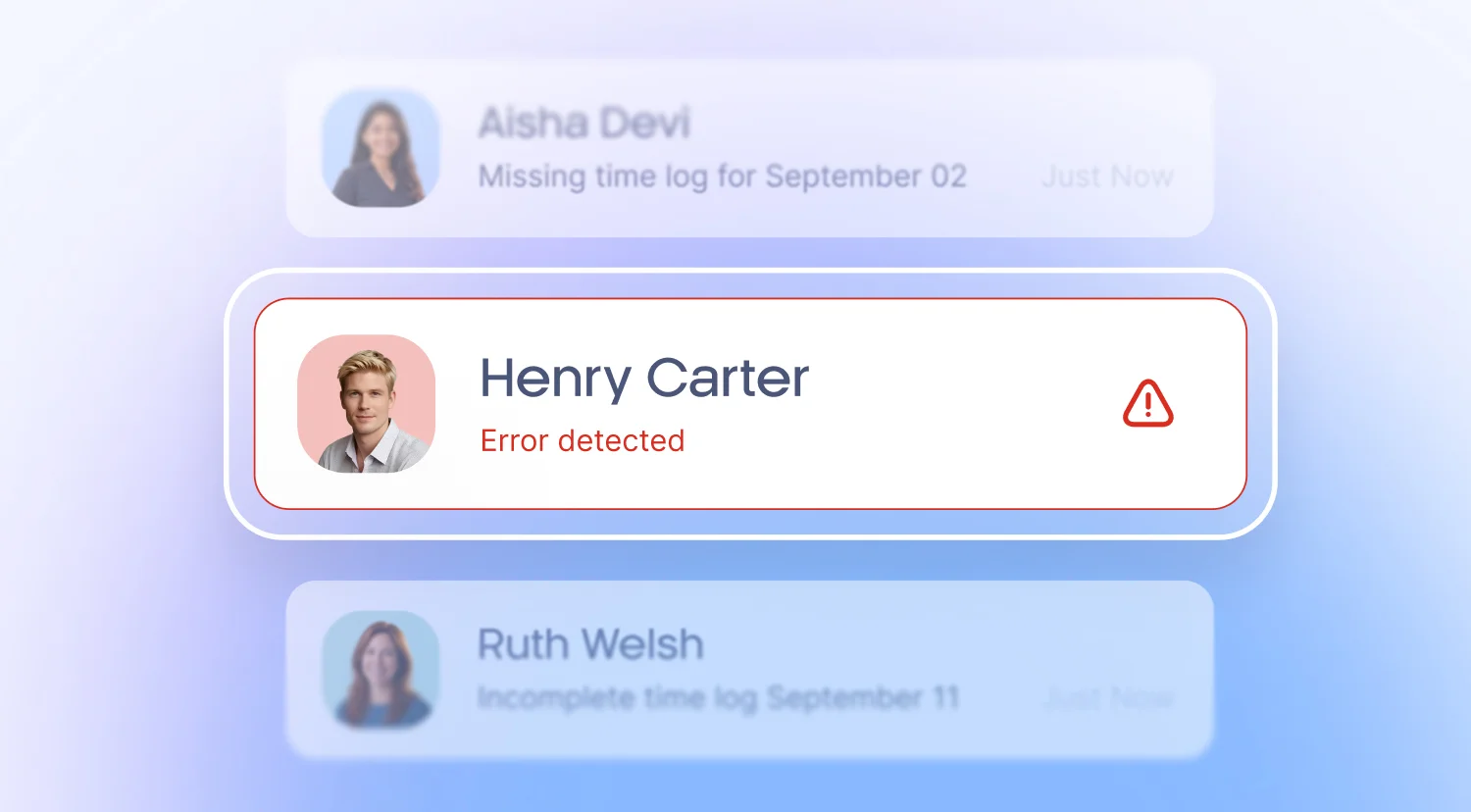
It could be a bank account issue. A missing tax detail. An incorrect start date. Or a worker accidentally set up under the wrong employment contracts (perhaps the wrong compliance categories).
What follows is more back-and-forth.
HR has to chase. Payroll has to check. The worker might even need to resubmit information. The manager is left waiting for an answer. In some cases, the issue isn’t detected until the worker’s first pay is disrupted, delayed, or downright wrong.
Suffice it to say, this isn’t the experience that any business wants to create for a new starter.
A connected onboarding and payroll process helps prevent some of these issues earlier. It doesn’t make payroll automatic; it simply makes the handover cleaner.
What to look for in onboarding software that supports payroll
If you’re currently reviewing onboarding software, it’s worth looking beyond whether it can collect forms. The better question, in this specific instance, is whether the information collected during onboarding can actually be used by payroll.
Look for platforms that support:
Structured data capture
Worker information should be captured in a format payroll can use (not buried in PDFs, email attachments, or free-text fields).
Payroll workflow integration
The platform should support the flow of approved worker data into payroll workflows or connected payroll systems (reducing the need for manual re-entry).
Role-based onboarding software
Different workers may need different onboarding, compliance, and payroll setup details. A casual frontline worker, permanent employee, and contractor should not always follow the same process.
Clear status visibility
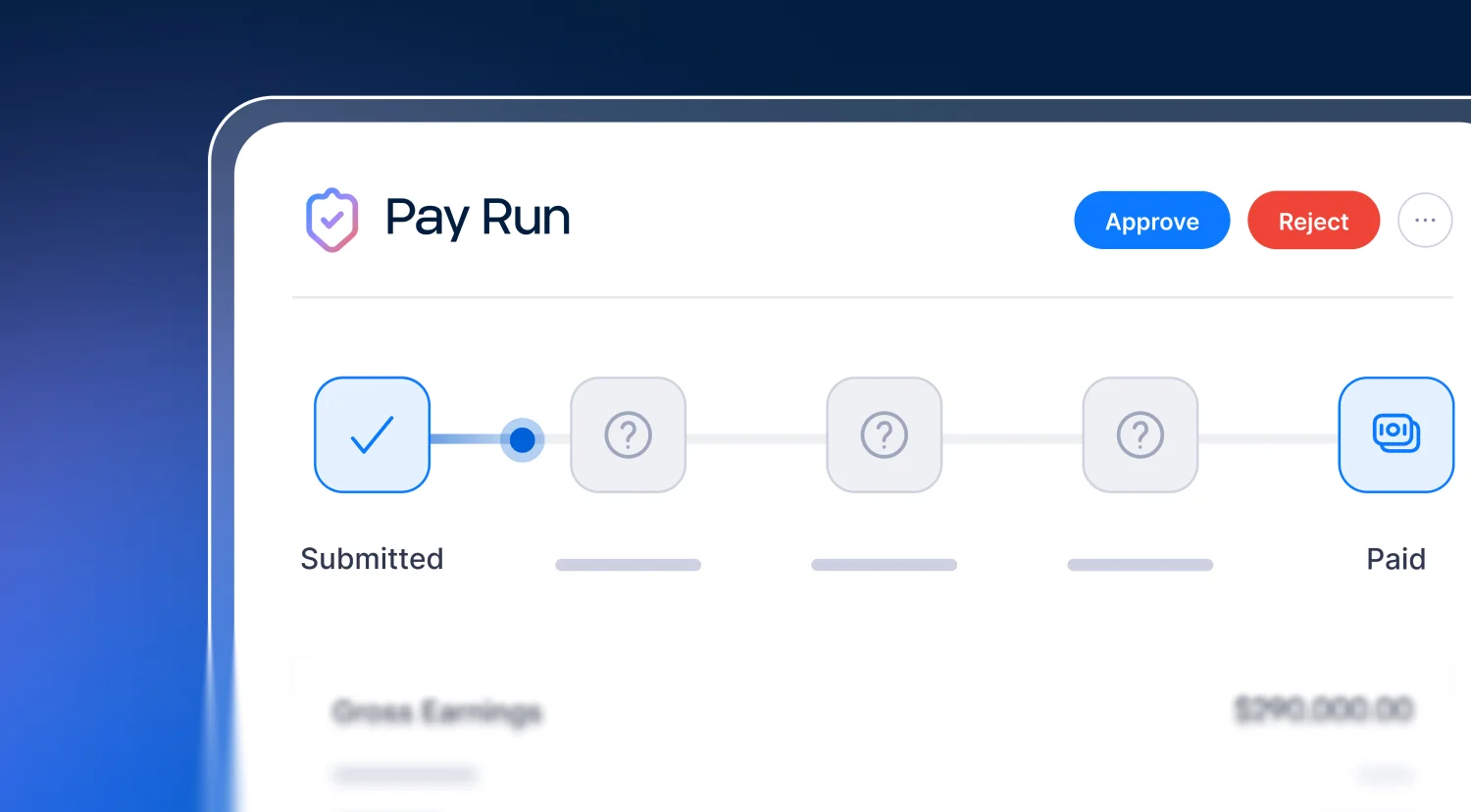
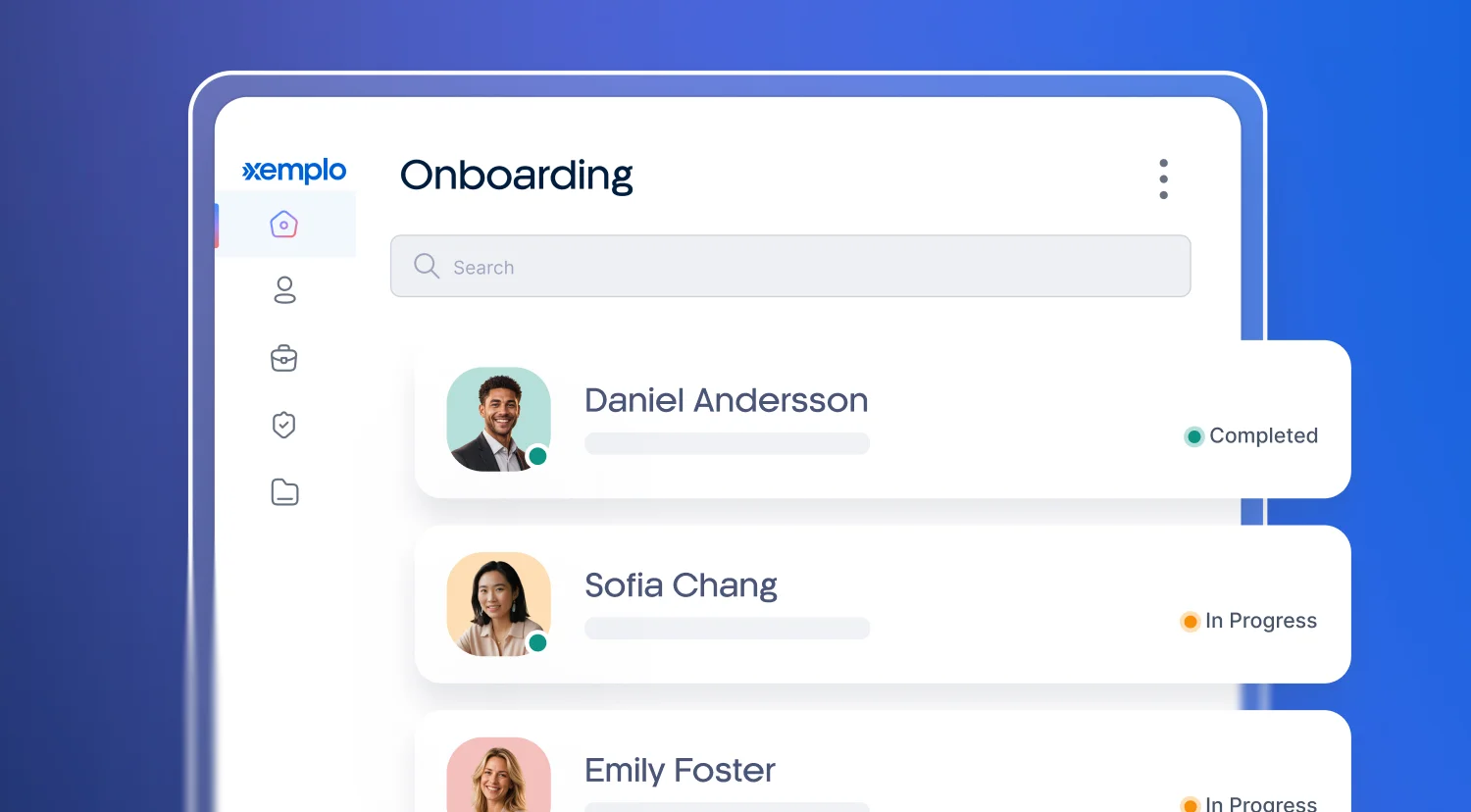
HR and payroll should be able to see what has been completed, what is still missing, and whether a worker is ready for payroll setup.
Secure handling of sensitive information
Bank, tax, super, and employment information should not be passed around through inboxes and spreadsheets. It needs to be captured and handled securely.
From onboarded to pay-ready
Onboarding should not stop at form collection.
If payroll cannot use the information, the process isn’t really complete.
The real goal should be to move a worker from new starter to pay-ready without relying on manual handovers, duplicate data entry, or last-minute chasing.
Xemplo enables businesses to connect onboarding and payroll workflows by capturing worker information once and supporting the seamless flow of that data into downstream payroll processes.
That means less double entry, fewer last-minute payroll issues, and a cleaner path from hired to paid.