

For decades, workforce processes have depended on trust.
A manager approves a timesheet because they trust the hours are accurate.
A payroll team processes wages because they trust employee records are complete.
A compliance team reviews documentation because they trust required checks have been completed.
Performance reviews are conducted because you trust that previous conversations, objectives, and feedback have been properly captured.
Trust, in this specific context, remains exceedingly critical in any workplace. But as organisations grow, workforce management cannot bank solely on trust.
The fact of the matter is – modern employment requires visibility.
Businesses need confidence that processes are being followed, information is accurate, and decisions are supported by uncompromised data. That’s precisely where structured processes and purpose-built software like Xemplo are becoming essential.
Hear it once and hear it now: the future of workforce management is being built around consolidated tech ecosystems capable of providing clarity across the employee lifecycle – from recruitment and onboarding through to attendance, performance, payroll, and offboarding.
And organisations that continue to rely on anything otherwise will find it increasingly difficult to maintain transparency, consistency, and control as they grow.
Traditional workforce management doesn’t scale
Most organisations have developed their own workforce processes over time – these tend to involve a combination of spreadsheets, email approvals, old-school record keeping, and disconnected systems/solutions/methodologies.
It may have been sufficient once upon a time, when their teams were drastically smaller and more concentrated. As organisations expand, however, these practices become harder to maintain.
Employee information can become fragmented across multiple locations. Approval processes may rely on individual or “tribal” knowledge rather than set workflows. Managers might even have limited visibility into workforce activity beyond their immediate teams. Payroll teams, on the other hand, usually spend inordinate amounts of time validating information before they can process payments.
The challenge isn’t a lack of effort from employees or managers; it’s that modern workforces generate significant volumes of information, and analogue/manual processes make it difficult to handle this data both accurately and consistently.
Particularly relevant when it comes to industries where compliance, workforce accountability, and operational visibility are critical – including aged care, NDIS, healthcare, security services, and other tightly regulated sectors.
Visibility is the currency for better workforce decisions
Effective workforce management isn’t possible without access to reliable information.
To be clear, greater workforce visibility doesn’t mean monitoring employees unnecessarily. It means giving authorised teams access to what they feasibly need to make decisions, green-light approvals, and square away compliance activities.
Time and attendance data, for example, offers more than just a record of hours worked. When captured accurately, it gives organisations insight into staffing patterns, overtime requirements, absenteeism, and workforce capacity.
It also allows leaders to form decisions based on what’s actually happening across their workforce rather than relying solely on assumptions or retrospective reviews.
The same principle applies to performance management.
Structured performance reviews enforce consistency by ensuring goals, feedback, development discussions, and outcomes are recorded in a centralised system (and easy to surface whenever the time comes).
That way, managers can gain a holistic understanding of employee progress, while employees benefit from a more transparent approach to expectations and development.
When workforce information is captured correctly, organisations can identify trends, address issues earlier, and make decisions with greater confidence.
Audit trails and approval flows introduce accountability
A modern workforce requires more than information storage. It requires a clear and demonstrable record of how decisions are made.
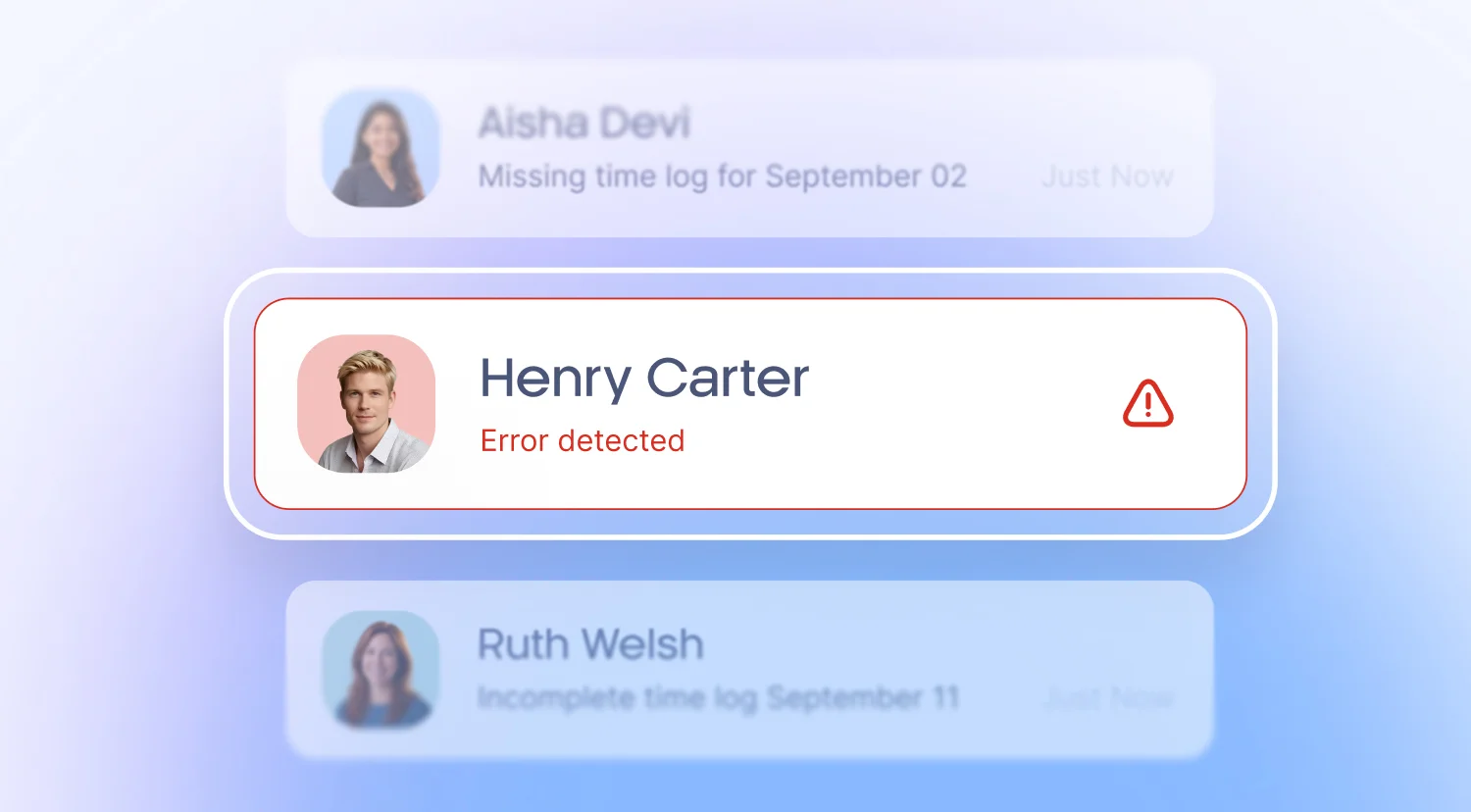
Audit trails provide organisations with visibility into crucial workforce activities, including changes to employee information, approvals, compliance actions, as well as payroll-related updates.
Think of this as a reliable history of events, which also reduces uncertainty when information needs to be reviewed (why rely on a reconstruction of the truth when you can have a record for it?).
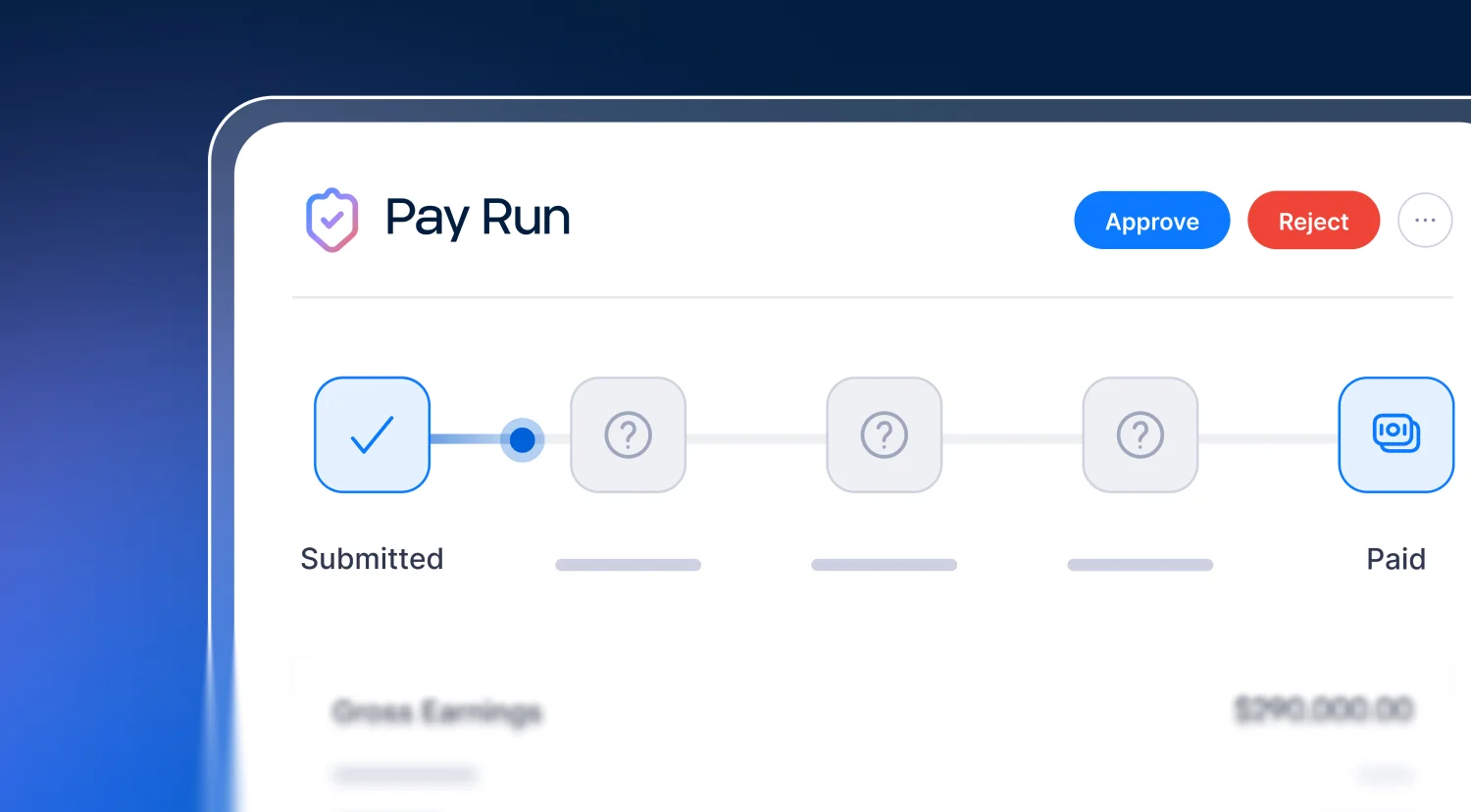
Approval flows similarly play a vital role by establishing structured pathways for requests and decisions. Whether you’re approving timesheets, leave requests, employee changes, or other workforce activities, defined workflows ensure the appropriate people are involved (and actions are completed consistently).
This level of structure allows organisations to exercise control while reducing the administrative burden often placed on managers and HR teams.
Technology alone, of course, isn’t the whole answer.
Organisations still need clearly defined responsibilities, appropriate access limitations, and well-designed workflows. The platform's role is simply to make those processes easier to follow, monitor, and improve.
Compliance embedded from day one
Workforce compliance is most effective when it’s baked into your everyday processes rather than treated as a separate administrative responsibility.
The employee lifecycle begins with recruitment and onboarding, where organisations collect essential information, complete required checks, and essentially lay the foundations for ongoing compliance.
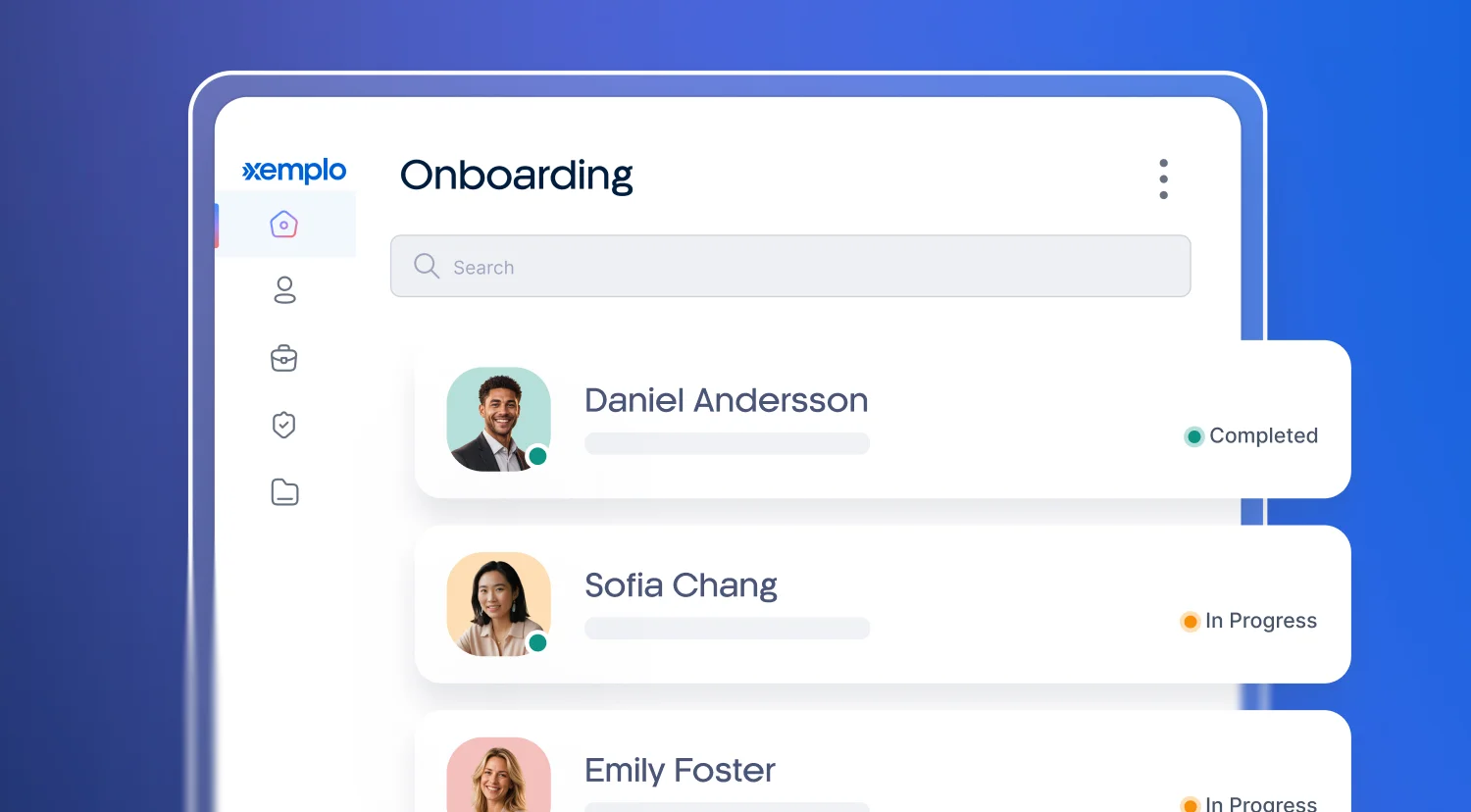
Modern workforce management platforms enable businesses to create guided onboarding workflows that capture role-specific requirements, documentation, training, and compliance obligations from the start.
This creates a stronger and more consistent foundation for managing employee information throughout their employment.
Once employees are active, structured systems can continue supporting compliance through automated reminders, credential tracking, expiry alerts, and centralised records.
What you get is a far more standardised approach that allows organisations to maintain visibility into workforce requirements and respond when action is prompted.
For example: when an employee’s role, employment conditions, required credentials, and payroll information are captured during onboarding, that information can be routed through the appropriate approvals and made available to the teams responsible for compliance and payroll. Thus, reducing the need for each team to recreate or independently verify the same records.
Data integrity matters when information reaches payroll
We’ve said it once and we’ll say it a million times more again – payroll accuracy hinges on the quality of the information that feeds into it. And disjointed systems are only opportunities for errors, delays, and reconciliation.
When employee data, attendance records, approvals, and compliance obligations are handled separately, payroll teams need to allocate additional time and resources just to verify that everything is complete and accurate before it can be churned by an engine.
A connected workforce management approach, on the other hand, safeguards data integrity throughout the employee lifecycle. Information captured during onboarding can continue through employment processes, workforce management activities, and payroll without unnecessary duplication or manual intervention.
This instils greater confidence that the information being used for payroll decisions reflects the current state of the workforce.
The new standard for workforce management
The future of employment management is rapidly hurtling towards structured, consolidated, and transparent processes.
Businesses these days need systems that provide visibility into workforce activity, support consistent decision-making, and inspire confidence (that essential processes are operating as intended).
Xemplo provides an integrated workforce management platform that brings the entire employee lifecycle together – from recruitment and onboarding through to employee management, payroll, analytics, and offboarding.
With our software, organisations can create structured onboarding journeys, embed compliance requirements into everyday workflows, manage employee information through a centralised platform, monitor workforce activity (e.g., time and attendance), and maintain more accurate, consistent data as it migrates downstream to connected payroll systems.
Approval workflows, audit trails, reporting, and workforce analytics provide leaders with the visibility required to understand what’s happening across their headcount and act on informed decisions (not assumptions).
For modern employers, effective workforce management is no longer about relying on processes that work when everything goes according to plan. It’s about leaning on systems that provide clarity, accountability, and assurance across every stage of employment.