
When a workforce is still small, people tend to fill whatever gaps there may be in its compliance processes.
HR knows which workers still need to complete a document. A manager remembers whose certification is due for renewal. A spreadsheet owner understands the requirements each column represents (and who needs to be followed up with).
Contextually, this approach works because the people running it know what needs attention. But as workforce activity increases, there’s obviously more to keep track of.
Hiring accelerates, new locations open, and different roles bring different credentials/training requirements. In other words, even without drastically expanding the total headcount – upping the frequency of onboarding, role changes, and renewals can add more admin than existing processes were built to handle.
At pivotal stages of growth such as these, teams often need a shared view of what’s required for each role, what has been completed, and who is responsible for the next action. Without that, every new worker only creates another round of checking and chasing.
Cracks emerge long before compliance fails
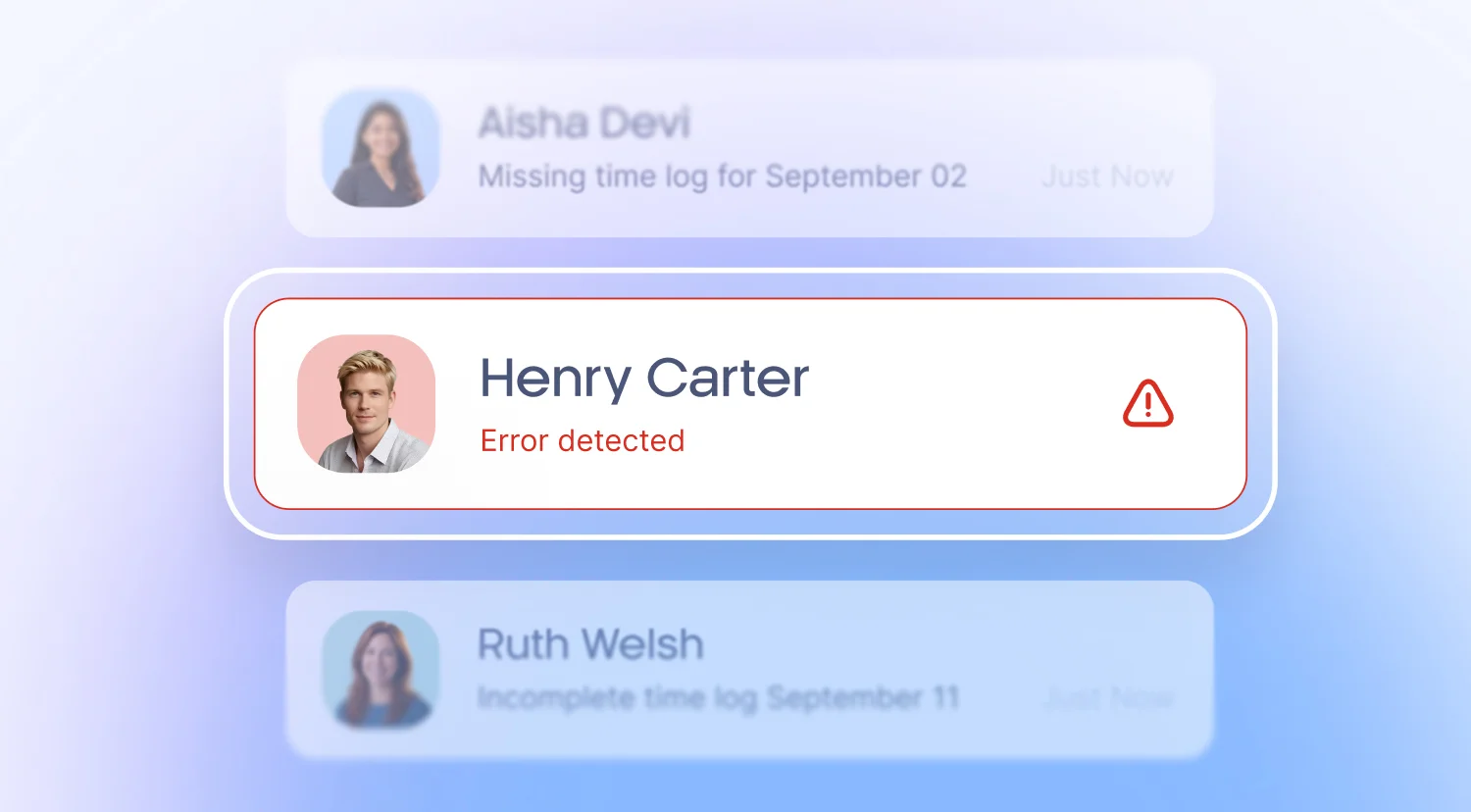
A missed requirement may be the first visible compliance failure, though the process can show signs of strain well before that.
One telltale warning sign is the amount of time teams spend chasing down information just to confirm whether requirements have been met:
- A new employee's start is delayed due to incomplete documentation
- A manager needs to check multiple systems to verify whether a worker is qualified for an assignment
- A credential is approaching expiry, and responsibility for following up on the renewal is unclear
- Training has been completed… the manager charged with assigning work cannot see the updated record
Each issue requires someone to investigate, follow up, or reconcile records. Repeat this across hundreds of workers, and that effort becomes a substantial part of the team’s workload – multiplying the risk of delays and missed obligations.
RELATED: The “Employee Lifecycle” Is Dead (And What Comes Next)
High-volume workforces expose weak processes
Organisations generally start with tools suitable for both the size and needs of their workforce:
- Spreadsheets provide visibility when there are only a handful of employees
- Email reminders work when there are only a few outstanding tasks
- Shared folders are manageable when everyone knows where to find information
These tools often rely on knowledge that sits with individuals – which requirements apply, where the latest record is kept, and who could use a reminder.
As more teams and locations are introduced to the picture, however, requirements can be tracked differently and records updated at different times. Managers are then left to work out which information they can rely on.
Eventually, the organisation reaches a breaking point where it can no longer confidently answer:
- Which workers have completed their requirements?
- Which employees are missing information?
- Which credentials are approaching expiry?
- Who is ready to perform their role?
This is when processes need clearer rules and ownership. Each requirement should have a defined owner, a due date where relevant, and a clear status indicating whether it’s outstanding, awaiting review, or complete.
And managers should be able to discern that status without having to reconstruct it from emails and spreadsheets.
The operational impact of poor compliance visibility
In industries where workers need specific licences, checks, or training, compliance information supports everyday decisions about who can be assigned to work (as well as providing evidence for an audit).
When compliance information is fragmented, operational decisions slow down.
Teams spend time validating information that should already be available. Managers make decisions with incomplete visibility. HR and compliance teams become responsible for manually maintaining connections between systems.
It’s not a lack of effort. It’s a process that requires too much effort to sustain.
Compliance begins before employment starts
Compliance requirements should be identified when a role is outlined to ultimately determine what’s collected and checked during recruitment and onboarding.
The role, work location, and duties help establish which licences, qualifications, checks, and training need to be ticked off the proverbial checklist. Those requirements also need to be explicitly clear before a worker is asked to provide their data.
During onboarding, the process should ideally distinguish between information that has been submitted and information that has been reviewed and accepted. An uploaded document may still need to be checked before a requirement can be marked complete.
Naturally, that process also needs to account for change. When a worker moves to a different role or location, their requirements may shift. When a credential expires, a previously completed requirement may demand attention once again.
RELATED: The Payroll Game Is Changing (Just Not How You Think)
How Xemplo helps businesses manage compliance at scale
Xemplo integrates workforce compliance within onboarding and ongoing employment management, allowing teams to manage both worker information and requirements within a single, consolidated process.
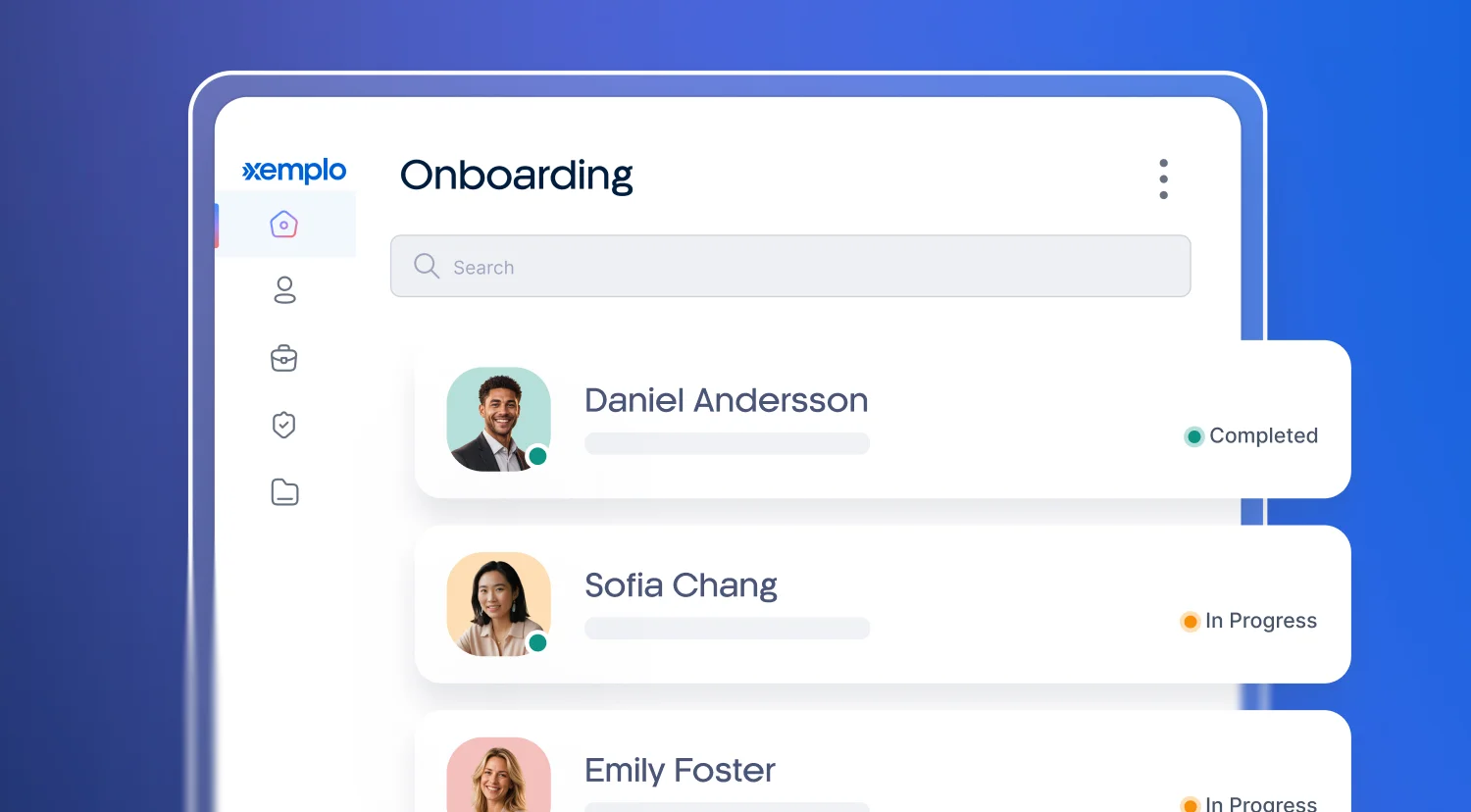
Onboarding workflows help organisations collect required documentation, request credentials, and guide candidates through policies (as well as other requirements relevant to their role). This offers a structured pathway to identifying and resolving outstanding items before a worker starts.
Information collected during onboarding subsequently remains part of the worker’s broader record, so teams always have an ongoing reference for credentials, training, as well as employment documentation.
Xemplo’s compliance capabilities also support proactive management through expiry tracking, notifications, and consolidated dashboards that highlight outstanding actions and upcoming requirements.
That way, your business can focus its follow-up on the workers and requirements that need attention, reducing the need to check each record individually.
The real test of compliance at scale
As hiring, renewals, and workforce changes pick up pace, a compliance process needs to remain robust enough to keep going – without asking individuals within the organisation to mentally recall every outstanding action.
The practical test is whether a manager can establish which requirements apply to a worker, whether they’ve been met, and who is handling it.
If answering those questions still means digging through an endless email chain and manual checks, that’s what needs to be improved before the next time volume is increased.