The best compliance software isn’t necessarily the platform with the most extensive feature list. It’s the one that helps an organisation answer a simple question:
Are we confident our obligations are being met right now?
For many businesses, this is harder to establish than it should be.
A licence may sit in a worker profile. A training record may exist in a learning platform. A policy acknowledgement may have been completed via email. A manager may know someone completed a required check, but finding the evidence means combing through multiple systems.
Very rarely does the issue come down to bare negligence, either. More often than not, you’ll find that it’s compliance information being almost entirely divorced from the people, processes, and decisions it’s meant to support.
This is why organisations invest in compliance software. Not just for another place to store documents. But for a clearer understanding of what has been completed, what’s outstanding, what’s approaching expiry, and where action is required next.
What is compliance software?
Fundamentally, compliance software allows organisations to manage obligations by bringing together information, workflows, and evidence required to demonstrate compliance.
Because it’s not enough to be compliant. These days, you have to be able to prove it.
At a basic level, this may entail maintaining records and tracking requirements. At a more mature level, it means understanding these data points in operational terms.
A compliance platform should answer common queries such as:
- Which requirements have been completed?
- Which workers still require action?
- Which credentials are approaching expiry?
- Where are compliance gaps emerging?
Types of compliance software (and which one you need)
The phrase “compliance software” encompasses several different categories – and the appropriate option for you invariably depends on the type of compliance an organisation is attempting to manage.
Some businesses need governance, risk, and compliance (GRC) software to meet enterprise-level obligations, conduct audits, manage controls, and comply with regulatory frameworks.
Others need safety compliance software to handle workplace health and safety processes, incidents, inspections, as well as corrective actions.
For organisations whose compliance obligations are attached directly to their workforce, the relevant category is workforce compliance software.
Workforce compliance software focuses on whether employees and workers are ready to perform their roles (from an ongoing basis, not just during onboarding), e.g. credentials, licences, qualifications, training records, policies, employment documentation, right-to-work and background checks, along with other workforce requirements.
The distinction matters because a document repository and a workforce compliance system solve different problems: telling you where a certificate is stored vs understanding whether that certificate is current, applies to the worker’s role, and what needs to happen next.
RELATED: The Best Onboarding Software In Australia
The growing case against manual compliance tracking
Countless organisations still manage compliance using a collection of familiar tools such as spreadsheets, shared drives, email reminders, and individual employee records.
The problem isn’t that these tools cannot store information. They definitely can. The problem is that compliance is rarely static.
Records change. Requirements change. Credentials expire. Training demands renewal. Employees migrate between roles. New obligations emerge.
The moment a business has to understand its current compliance position, the limitations become obvious. Someone must:
- Find the spreadsheet
- Check the expiry dates
- Confirm whether training was completed
- Follow up with the worker
Over time, organisations tend to become overly dependent on people remembering where information lives and what action needs to happen next. That is where compliance visibility becomes valuable.
Your goal, in short, should not be to eliminate human oversight but to empower the people responsible for compliance with visibility before a gap becomes a problem.
What features should you look for in workforce compliance software?
Useful compliance software needs to help organisations understand the current state of their workforce, identify what deserves attention, and create a more reliable process for maintaining compliance over time.
While the specific requirements will vary depending on industry, workforce size, and regulatory obligations, several overarching capabilities are particularly important when evaluating a platform.
Centralised compliance records
Compliance becomes difficult when critical information is distributed across multiple locations.
A worker’s licence may exist in one system, training history in another, and employment documentation somewhere else entirely. Even when every record is technically available, piecing together the complete picture can become unnecessarily time-consuming.
A strong compliance platform centralises workforce requirements, allowing teams to quickly access relevant information such as:
- Licences and credentials
- Qualifications and certifications
- Training completion
- Policy acknowledgements
- Employment documentation
- Expiry dates and renewal requirements
The benefit isn’t having more information in a single place. It’s preserving a reliable source of truth for the people responsible for managing workforce compliance.
Compliance-driven onboarding workflows
Compliance shouldn’t begin after someone has started work.
Across several industries, the requirements attached to a role decide whether a person can be safely and legally deployed in the first place.
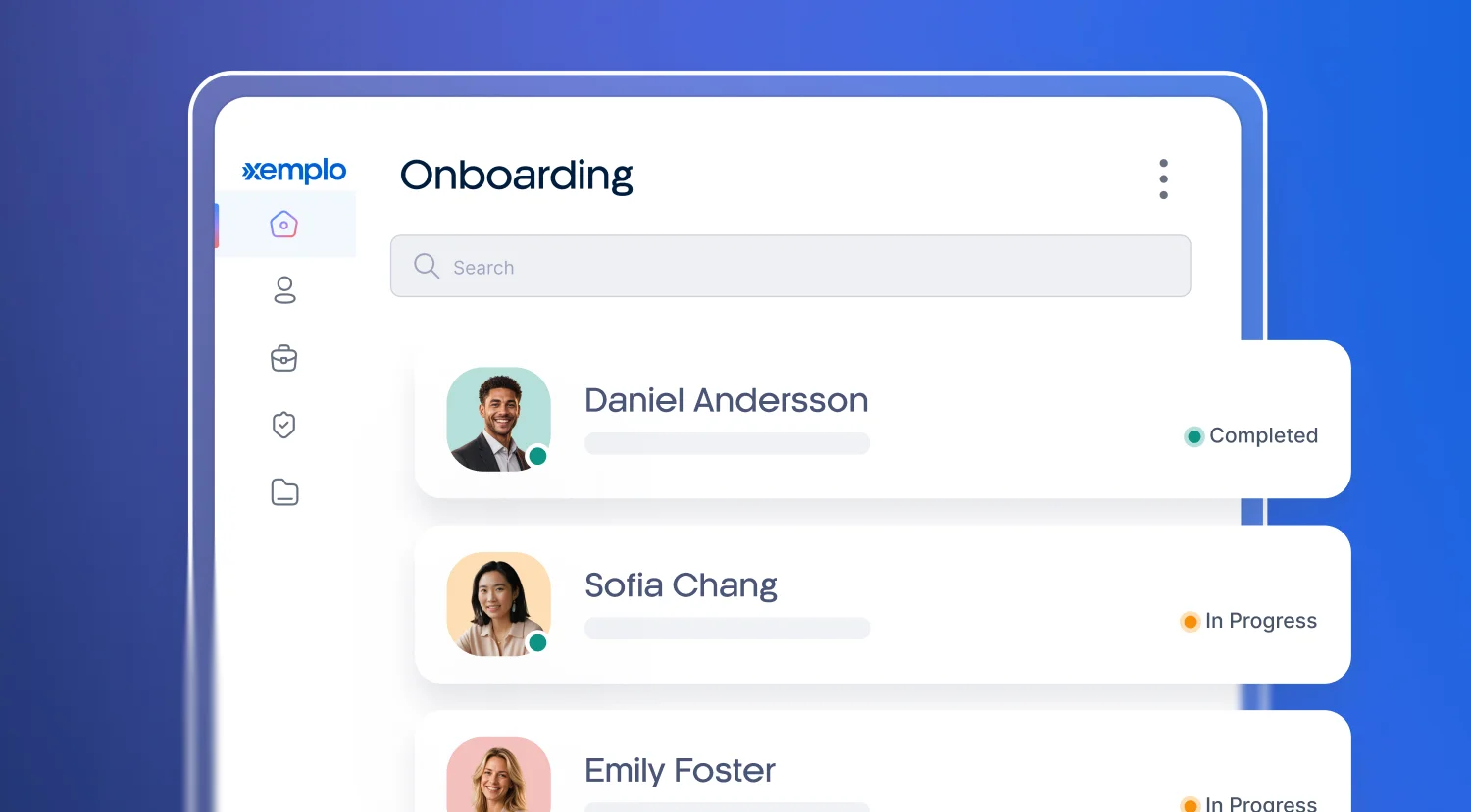
A workforce compliance platform should enable organisations to embed compliance requirements into onboarding workflows, ensuring that relevant information is collected at the right stage.
This may include:
- Required documentation
- Identity, right to work (e.g. VEVO), and background checks
- Role-specific credentials
- Mandatory training
- Policies and acknowledgements
By baking compliance directly into onboarding, organisations can move away from the common scenario where missing data is discovered only after someone has already joined the workforce.
Automated alerts and expiry management
Many compliance failures aren’t caused by missing information. They happen because existing information becomes outdated, e.g. expired licences, qualifications that need renewal, and training requirements reaching their due date.
Without a structured system, managing these changes can rely on manual reminders and individual follow-up.
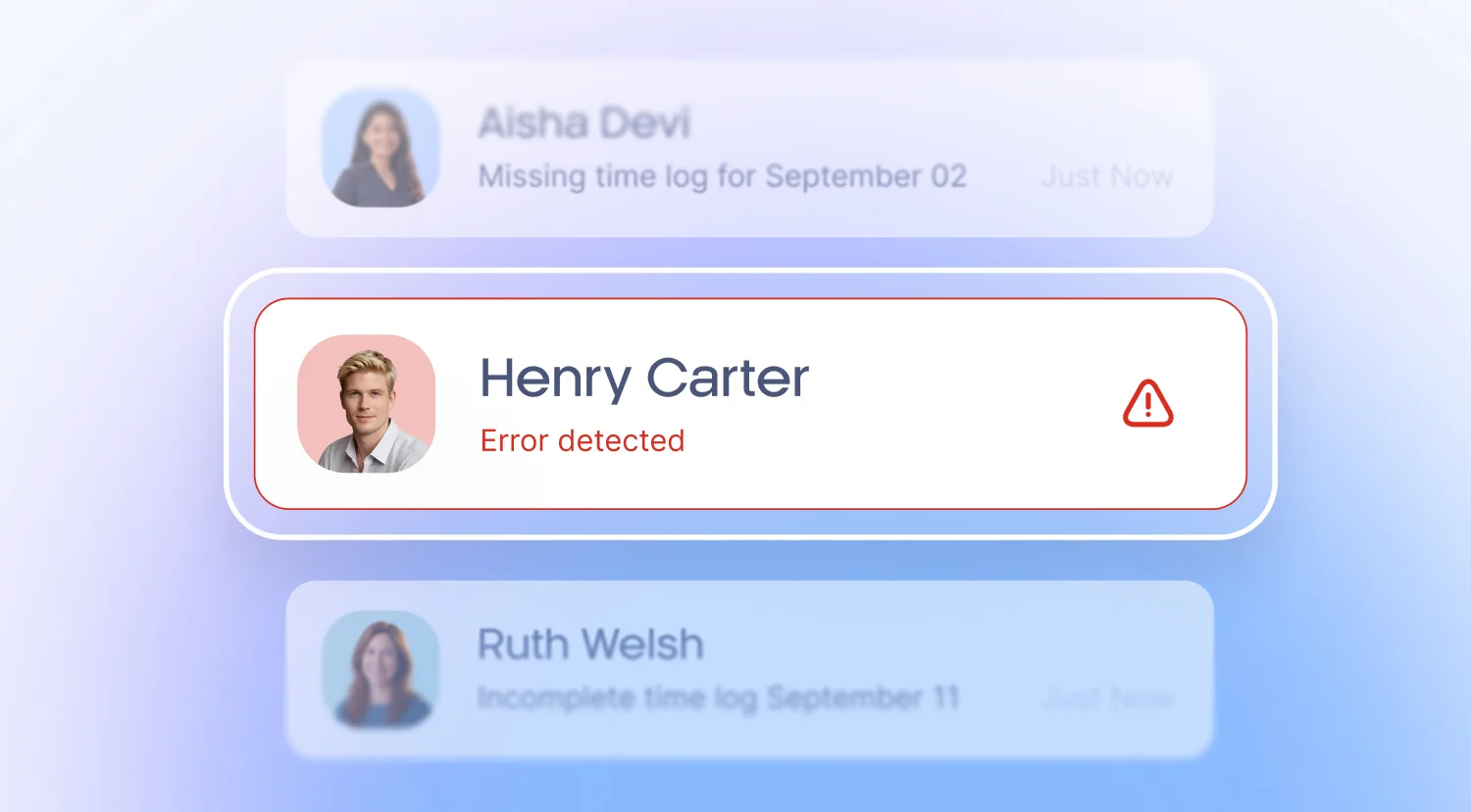
Compliance software should help organisations identify upcoming actions through automated alerts and notifications, allowing teams to address requirements before they become urgent.
Compliance dashboards and reporting
A compliance platform should make it easier to wrap your head around the current state of the workforce.
Rather than manually reviewing individual records, managers should be able to quickly identify:
- Which workers have outstanding requirements
- Which credentials are approaching expiry
- Which training obligations remain incomplete
- Where compliance gaps exist across teams or locations
This visibility allows you to move from reactive compliance management towards a more proactive approach.
Audit trails and evidence management
When compliance questions arise, organisations need more than a crossed-off checklist. They need confidence in demonstrating both what happened and when.
A strong compliance platform maintains clear records of:
- Completed requirements
- Historical information
- Document submissions
- Policy acknowledgements
- Training completion
This instils greater confidence when responding to internal reviews, client requirements, or regulatory obligations.
Integration with existing workforce systems
Compliance does not – and never will – exist independently.
Employee requirements are connected to recruitment, onboarding, payroll, learning systems, and workforce management processes.
A compliance platform should therefore “fit” within the wider workforce ecosystem, rather than create another isolated stream of information. The key question is:
Does this system help information move through the employee lifecycle… or is it another place where I need to maintain the data?
This is the difference between actually reducing administrative burden and mindlessly adding another system to an already bloated tech stack for its own sake.
RELATED: What Is An Applicant Tracking System (And Why Do You Need One)?
The best compliance software in Australia
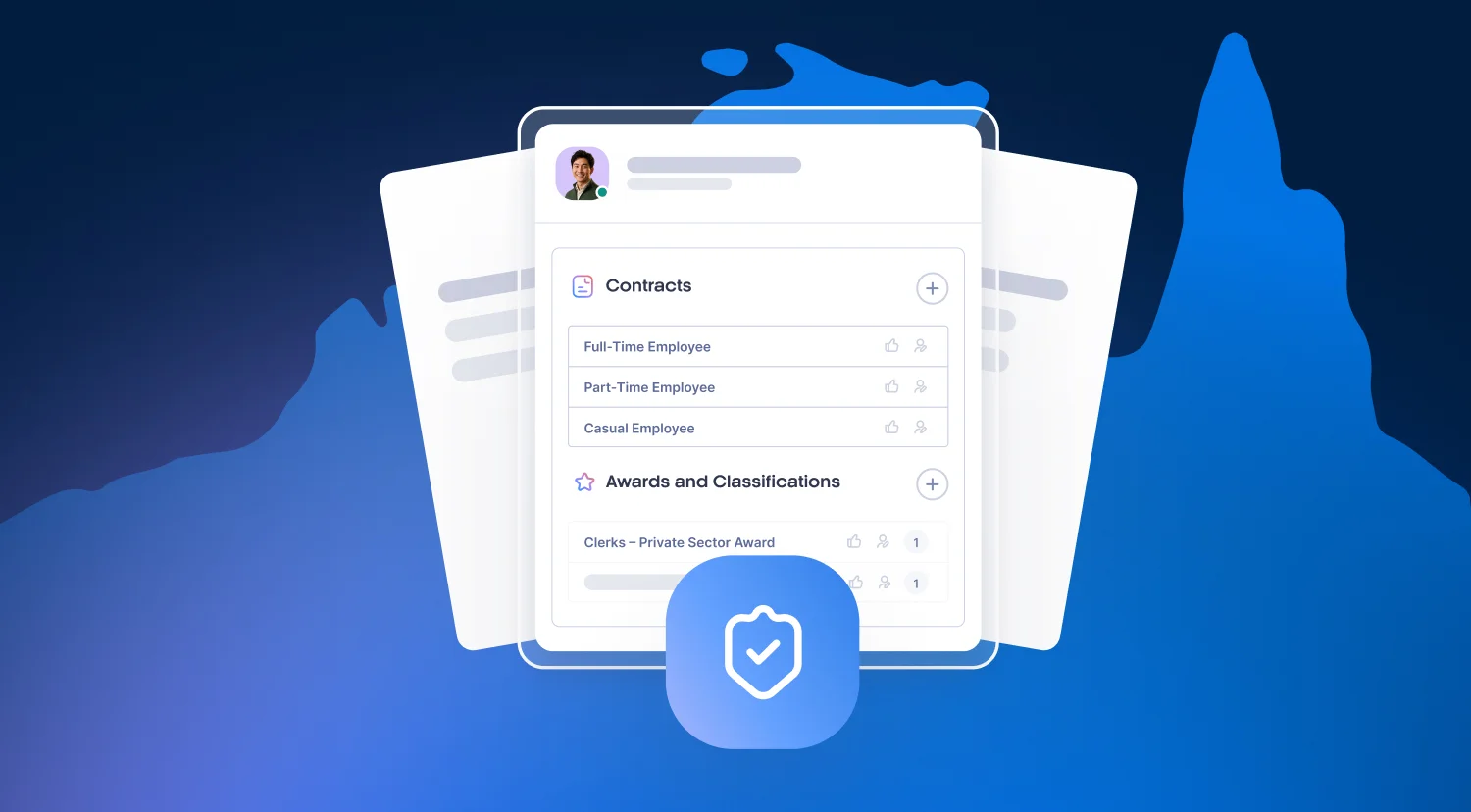
The best compliance software (in Australia or elsewhere) will depend on what your business needs to manage, the industries it operates in, and whether compliance requirements primarily relate to operations, employees, safety, or broader governance obligations.
The following platforms are among the leading compliance software options available in Australia, each suited to different compliance requirements.
Xemplo
Best for organisations that want workforce compliance connected to onboarding, employee records, and workforce management.
Xemplo approaches compliance as part of the wider employee lifecycle.
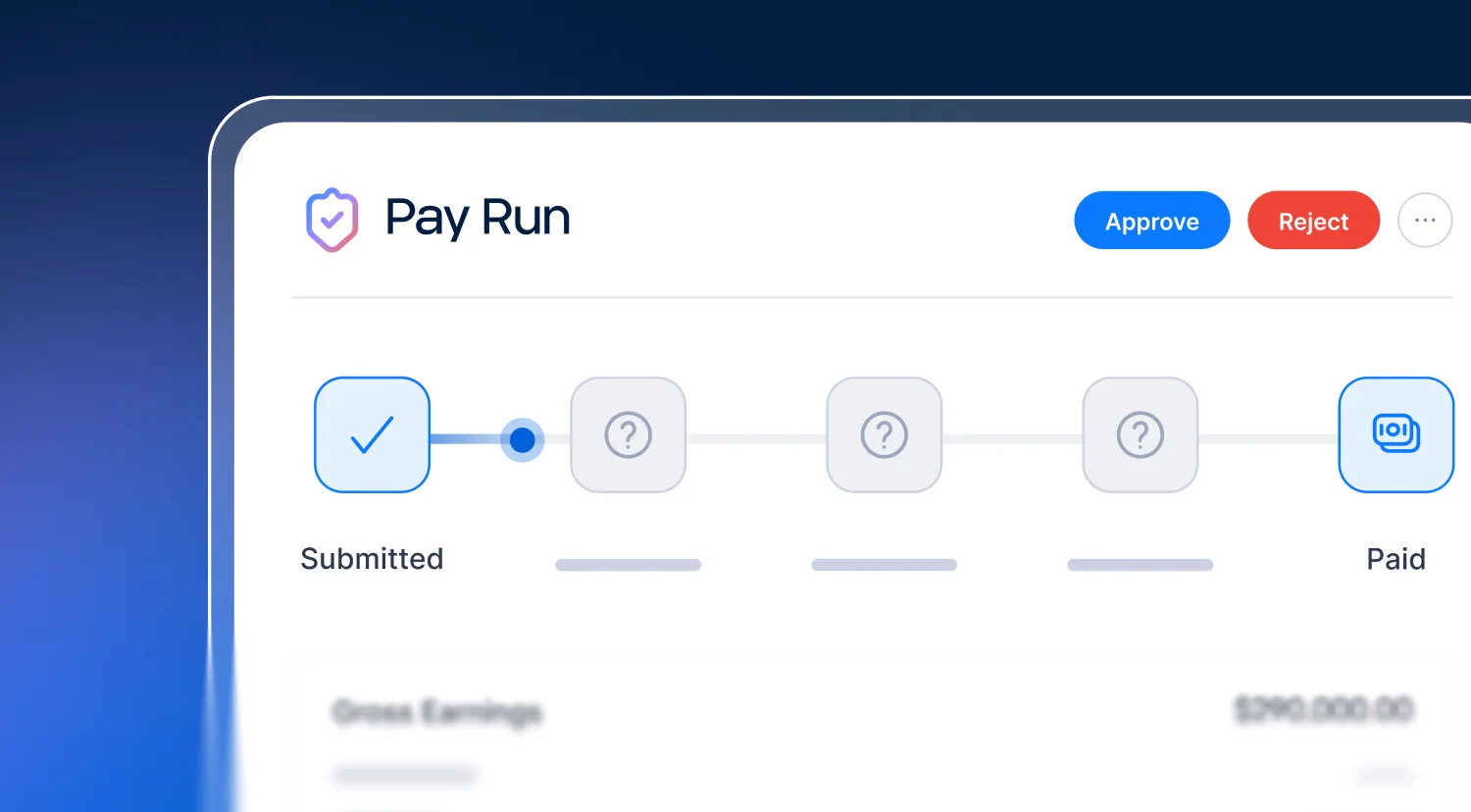
Rather than treating it as a separate administrative function, Xemplo connects compliance requirements with onboarding, employment records, payroll and ongoing workforce management, and integrates with applicant tracking systems such as Bullhorn and JobAdder.
This allows you to manage workforce information from the point someone joins the business through to their ongoing employment.
Key strengths:
- Compliance-driven onboarding workflows
- Centralised employee and worker records
- Credential and document management
- Right to work verification, including VEVO checks
- Training and induction tracking
- Automated credential expiry alerts
- Workforce compliance dashboards
- Onboarding, employment, and payroll in one platform
- Role-based requirements tied to each position
Considerations:
Businesses looking primarily for enterprise GRC, financial compliance, or broad organisational risk management may require a more specialised compliance platform.
Xemplo is designed specifically for organisations where compliance is closely tied to their people.
Mitti (by SafetyCulture)
Best for workplace safety, inspections, and operational compliance.
Mitti (by SafetyCulture) is a widely recognised workplace operations platform focused heavily on safety management and operational compliance.
The platform is commonly used to manage inspections, checklists, incident reporting, and workplace observations.
Key strengths:
- Digital inspections and checklists
- Incident reporting
- Safety observations
- Corrective actions
- Workplace reporting
- Mobile-first workflows
- Credentials and training tracking
Considerations:
Mitti's core strength remains workplace safety and operational processes. Businesses that want compliance connected to employment records, contracts, and payroll may need a separate HR or workforce platform. It can also be rigid in process, which can lead to delays in approvals or require extra admin, i.e. chasing up.
HSI Donesafe

Best for enterprise safety and compliance management.
Donesafe is an Australian-founded workplace health and safety platform designed to help organisations manage safety, risk, incidents, and compliance obligations.
The platform is commonly used by larger organisations with complex operational environments.
Key strengths:
- Incident management
- Safety workflows
- Risk management
- Compliance tracking
- Reporting
- Configurable workflows
Considerations:
According to user reviews on Capterra, the user experience and lack of early stage content leaves something to be desired. Businesses looking specifically for employee onboarding, workforce credentials, and employment lifecycle management may require additional HR or workforce platforms alongside Donesafe.
Sentrient

Best for workplace compliance training and policy management.
Sentrient is marketed as an "all-in-one" that focuses on workplace compliance education, helping organisations deliver training and manage employee acknowledgements.
The platform is particularly focused on areas such as workplace behaviour, policies, and mandatory training.
Key strengths:
- Compliance training
- Policy management
- Employee acknowledgements
- Workplace education
- Training records
Considerations:
Despite the "all-in-one" marketing, organisations requiring broader workforce management – including rostering, payroll, and employment workflows – may need additional systems (which itself may be a challenge given the reported lack of connectivity between elements of its own product suite).
Safety Champion
Best for workplace health and safety management.
Safety Champion is designed to help organisations manage workplace safety obligations through digital reporting, inspections, and safety processes.
Key strengths:
- Safety reporting
- Inspections
- Incident management
- Corrective actions
- Safety documentation
Considerations:
Focused on workplace safety rather than broader workforce compliance management.
Employment Hero

Best for small and medium businesses wanting HR management with built-in compliance features.
Employment Hero is an HR platform designed to help businesses manage employee records, HR administration, payroll, employee engagement, and workplace processes in a single system.
The platform includes compliance-related functionality such as policy management, document storage, employee records, and HR workflows, helping businesses maintain more consistent employment processes.
Key strengths:
- Centralised employee records
- HR document management
- Policy creation and acknowledgement
- Employee onboarding workflows
- Payroll and HR integration
- Employee self-service capabilities
Considerations:
Employment Hero is well-suited for businesses looking to consolidate core HR administration and employee management processes. Organisations with more specialised workforce compliance requirements – such as managing large volumes of licences, credentials, certifications, or role-specific compliance obligations – may require additional compliance-focused capabilities alongside their HR platform.
How to choose the best compliance software for your business
When it comes to selecting compliance software, businesses need to consider the following questions:
What type of compliance are you dealing with?
Satisfying compliance entails different things for different organisations. Some businesses need to manage workplace safety, risk, and audit requirements. Others need to track employee licences, credentials, training, policies, and workforce documentation. The right platform should align with the specific compliance challenges you face.
Does compliance connect to your workforce?
For many organisations, compliance determines whether someone can perform their role. A licence, qualification, or training requirement isn’t simply a document – it directly affects workforce readiness. That means compliance information should connect with employee records, onboarding processes, and ongoing workforce management.
Can the system show what needs attention?
Most organisations already have compliance information. The challenge is knowing what is current, what is missing, and what requires action.
The other crucial detail to note: Will it scale with your workforce?
A compliance process that works for a small team can quickly become difficult to maintain as employee numbers, locations, and obligations increase.
The right compliance software should, in turn, reduce reliance on manual tracking while providing the visibility needed to manage compliance consistently as the workforce evolves.