
Allow us to set the scene: an aged care worker arrives for their scheduled shift, confident that they’ve ticked every employment box. And for good reason.
Their qualifications have been recorded, mandatory checks submitted, and as far as they’re concerned, onboarding was finalised without a hitch.
Months later, however, an internal review (or worse) identifies a compliance gap. What exactly happened?
Nothing. Quite literally nothing.
An expired licence, a check that might not have been renewed, a change in work eligibility that went undetected – what unifies all these possibilities is that nothing happened when good credential management dictates something should have.
Consequently, an employee may still be performing their role just fine, but the business now faces unnecessary risk. Because critical workforce information wasn’t being actively monitored.
For organisations operating in tightly regulated sectors, this is the unvarnished reality of employee credential management at scale. Failure to consider these obligations leaves you exposed… regardless of whether the oversight was deliberate.
From aged care and NDIS or disability & community support to security services, organisations may need to maintain accurate records of role-specific licences, qualifications, training, screening checks, and work rights throughout the employee lifecycle.
Credential management needs to be a priority if you’re in a compliance-driven industry.
The complexity of workforce compliance scales with you
Whether or not they’re truly adequate, most organisations have established procedures for hiring and onboarding new employees. The challenge often only presents itself after an employee begins work.
As workforces expand, compliance requirements become more varied and harder to monitor – different roles may mean different licences, registrations, training records, screening checks, or eligibility. Some credentials might have straightforward expiry dates, while others call for regular verification or renewal.
Requirements can also vary by role, service type, location, provider status, and jurisdiction. Effective credential management, therefore, should start by defining which prerequisites apply to each worker (not applying the same checklist across the entire workforce).
For businesses with large or distributed workforces, keeping track of these obligations manually becomes increasingly difficult over time.
NDIS and aged care providers, for example, may need to keep tabs on a broad range of conditions across support workers, staff, and operational teams. Security providers similarly handle licences, background checks, and role-based non-negotiables across employees working across multiple sites.
The specific mandates might differ across industries, but the fundamental philosophy remains the same: ensuring workforce information stays current.
The dangers of manual credential management (an ongoing battle)
Workforce compliance isn’t static. It’s a moving target. An employee’s circumstances and requirements can change at any point after they join an organisation.
A visa status may be updated, a licence may expire, perhaps additional training may be necessary due to changing responsibilities.
Without active monitoring and regular verification, organisations mightn’t identify these changes until a renewal date is approaching, a requirement has already lapsed, or the employee’s circumstances are reviewed.
This is particularly relevant for sectors where employees work directly with vulnerable communities or where regulatory obligations are closely tracked. The ability to anticipate expiries, schedule appropriate checks, and surface what needs attention allows organisations to respond earlier and implement stronger compliance practices.
RELATED: Beyond Spreadsheets – The Smarter Way To Track Staff Credentials
Furthermore, credential management requires more than proving a document has been uploaded. Organisations need appropriate processes to verify that credentials are current, valid, and pertinent to the employee’s role (and reviewed again when necessary).
Credential management that leans heavily on spreadsheets, emails, calendar reminders, or manual reviews creates avoidable compliance risks:
- Missing upcoming credential expiries or renewals
- Delays in identifying changes to employee work rights or eligibility
- Limited visibility across multiple teams, locations, or business units
- Time-consuming administrative follow-up to collect documents & confirm compliance status
As outlined earlier, these tend to scale with organisations. What works for a small team will likely be difficult to uphold across hundreds or thousands of employees.
Effective credential management begins with active oversight
Effective credential management involves so much more than employee record storage. As an organisation, you need a way to track requirements, monitor status changes, and ensure the right actions occur at the right time.
Purpose-built platforms and process automation facilitate this by reducing reliance on manual checks and introducing defined workflows for credentials, training, licences, screening, and work rights.
Effective workflows should also define who is responsible for reviewing each requirement, what happens when information is missing or expires, and when an issue must be escalated. An alert offers limited value if nobody is accountable for acting on it.
Xemplo is a configurable workforce management and compliance platform designed to support businesses with complex employee obligations throughout the employee lifecycle – from recruitment and onboarding through to ongoing credential management.
By centralising workforce information and systemising compliance, you can:
- Improve visibility
- Reduce administrative effort
- Create a more consistent approach (to managing employee requirements)
For compliance-led industries, this is quite possibly the most practical way to strengthen workforce processes without complicating the equation.
Confidence through credential management
As organisations continue to grow, effective credential management – and, by extension, effective workforce compliance – calls for a system that can feasibly keep pace.
That means a clear view of employee information, ensuring compliance obligations are actively monitored, and enforcing processes that meaningfully support employees from the moment they apply through to the end of their employment.
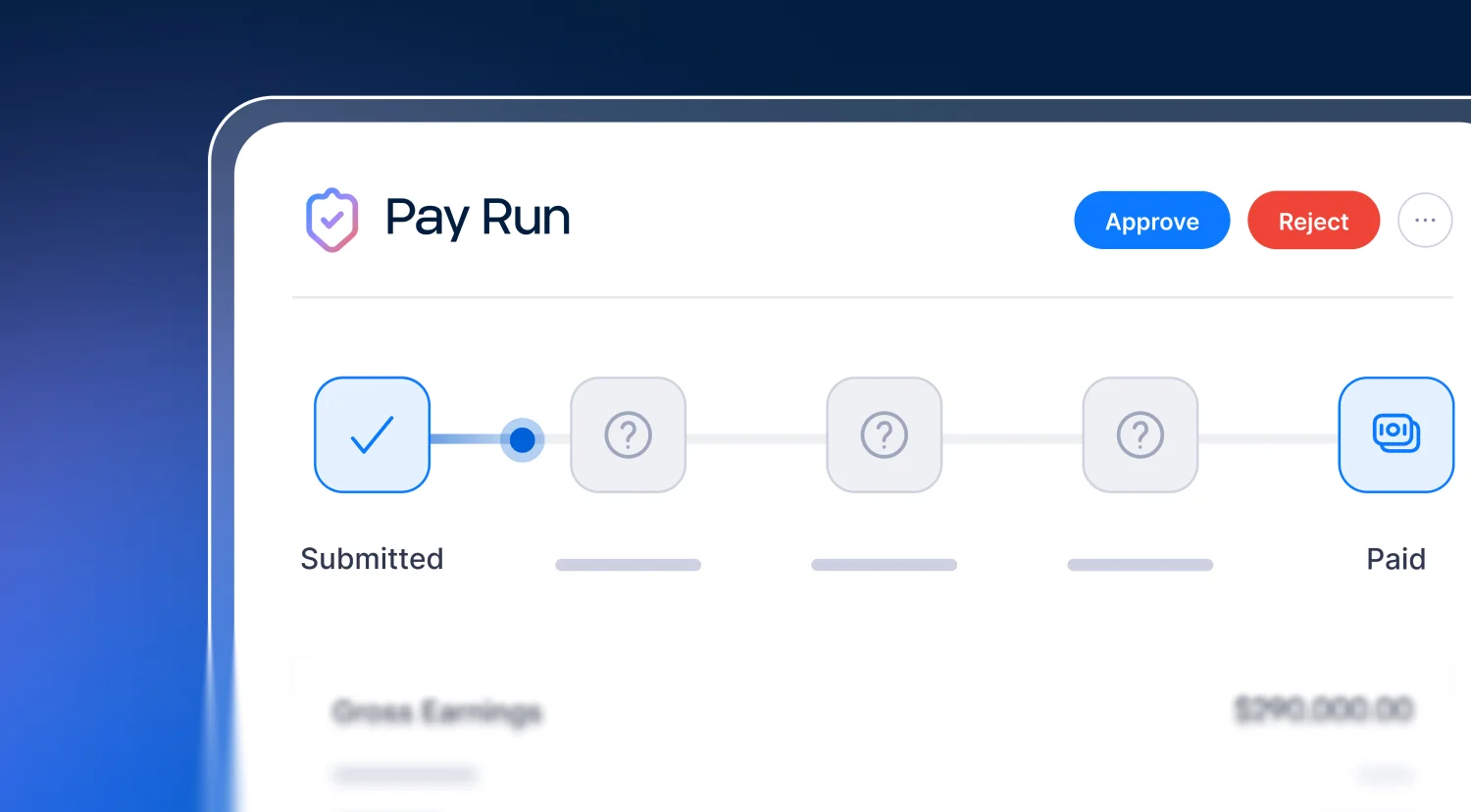
Xemplo provides businesses with a connected ecosystem for workforce management and compliance: bringing together recruitment, onboarding, credential management, HR administration, payroll workflows, and offboarding through a single platform.
A connected solution supporting the employee lifecycle from recruitment through to offboarding.
Rather than relying on disconnected tools and manual methodologies, organisations can maintain a centralised source of employee information across the workforce lifecycle.
Because credential records may contain sensitive personal information, access should be limited to authorised users and managed in accordance with the organisation’s privacy, security, and record-retention specifications.
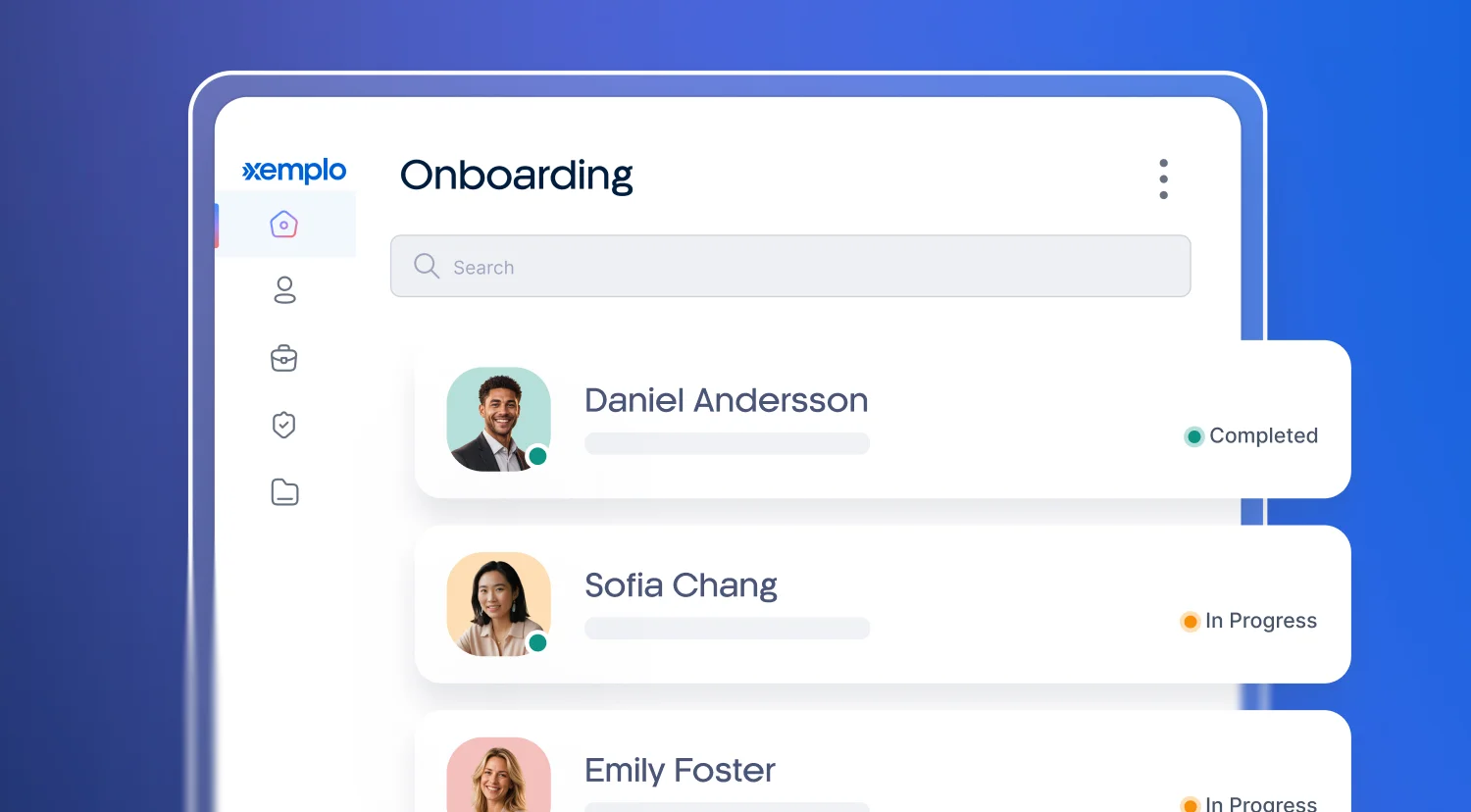
Compliance requirements can be built directly into your workflows, starting with guided onboarding journeys that help organisations collect checks and documentation, as well as validating role-specific requirements before an employee commences work.
Once employees are onboarded, Xemplo supports ongoing credential management by tracking configured requirements, issuing alerts for upcoming licence and credential expiries, and providing teams visibility into workforce records that need attention.
This enables HR and leadership teams to flag potential issues earlier, reduce administrative follow-up, and maintain stronger oversight across their workforce.